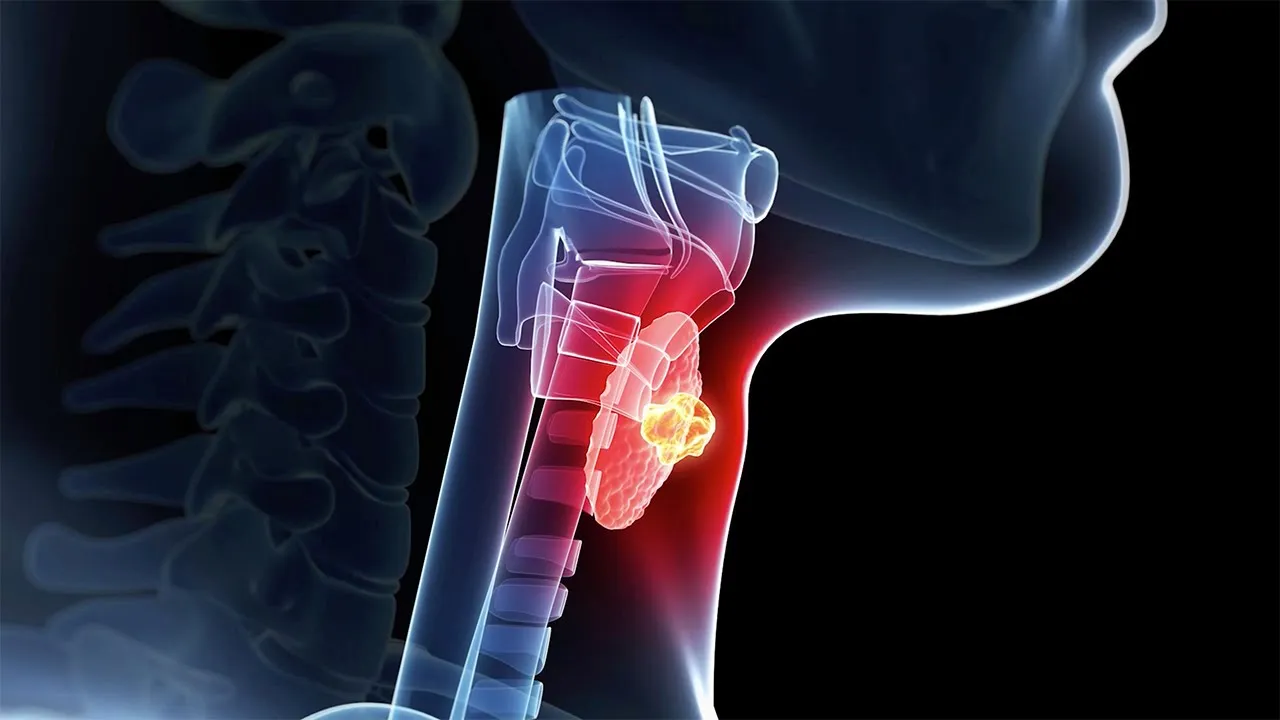
Neck pain is one of the most common physical complaints adults experience. Nearly everyone will deal with neck discomfort at some point in their lives. Whether it comes from sleeping in an awkward position, overexerting yourself during sports, or spending long hours looking down at a phone or computer, neck pain can affect people of all ages.
Fortunately, most neck pain is caused by relatively minor issues that resolve on their own with simple treatments. However, certain symptoms can signal a more serious condition involving the nerves or structures in the spine. Understanding the difference between mild neck pain and symptoms that require medical attention can help you know when to treat the issue at home and when to seek professional care.
Common Causes of Neck Pain
The neck, also known as the cervical spine, is made up of vertebrae, discs, muscles, ligaments, and nerves that support the head and allow it to move in many directions. Because the neck is both flexible and responsible for supporting the weight of the head, it is especially vulnerable to strain and injury.
Most cases of neck pain are caused by simple and benign conditions.
Muscle Strain or Muscle Spasm
One of the most common causes of neck pain is muscle strain. This can happen when the muscles in the neck become irritated or overworked. Activities such as heavy lifting, sudden movements, poor posture, or prolonged periods of looking down at a screen can all place stress on the muscles in the neck.
Muscle spasms may cause stiffness, soreness, or difficulty turning the head. In many cases, these symptoms develop suddenly and can feel sharp or tight. The good news is that muscle-related neck pain often improves within a few days with proper care.
Mild Arthritis
Another common cause of neck pain is arthritis in the joints of the spine. As people age, the cartilage between the joints can begin to wear down, leading to stiffness and discomfort. This process, often referred to as degenerative arthritis or osteoarthritis, can affect many areas of the body, including the neck.
Arthritis-related neck pain is typically mild but may become more noticeable with age. It may cause stiffness, particularly in the morning or after long periods of inactivity.
Minor Injuries from Physical Activity
Neck pain can also occur after physical activity or sports. Overdoing it during exercise or participating in activities that involve sudden movements can strain the muscles and ligaments in the cervical spine.
Athletes and active individuals may occasionally experience neck pain after workouts or games. In most cases, this type of discomfort improves with rest and conservative treatments.
Simple Ways to Relieve Mild Neck Pain
When neck pain is caused by minor strain or irritation, several simple treatments can help relieve symptoms and promote healing.
Heat Therapy
Applying heat to the neck can help relax tight muscles and improve circulation to the area. A heating pad or warm compress placed on the neck for short periods may help reduce stiffness and discomfort.
Massage
Gentle massage can loosen tight muscles and improve flexibility. Massage therapy may also help reduce tension that builds up from stress or poor posture.
Over-the-Counter Pain Medication
Non-prescription medications such as acetaminophen or ibuprofen can help reduce inflammation and ease pain. These medications are commonly used for mild muscle strain and joint discomfort.
Rest and Improved Posture
Giving the neck time to rest and avoiding activities that worsen the pain can allow the muscles and joints to recover. Maintaining good posture, especially when sitting at a desk or using electronic devices, can also reduce strain on the neck.
In many cases, these conservative treatments allow mild neck pain to improve within a few days.
Symptoms That May Signal a More Serious Problem
Although most neck pain is harmless, certain symptoms can indicate that something more significant may be happening in the spine.
One of the most important warning signs to watch for is the presence of neurological symptoms. These occur when nerves that travel from the spinal cord into the arms become compressed or irritated.
Symptoms that may suggest nerve involvement include:
- Numbness in the arm or hand
- Weakness in the arm or shoulder
- Pain that travels from the neck down the arm
- Tingling sensations in the fingers or hand
These symptoms may indicate that a nerve exiting the spinal column is being pinched.
If these symptoms appear briefly and then disappear, they may not represent a serious problem. However, if they persist or become more severe, medical evaluation is recommended.
What Causes Nerve Compression in the Neck?
Nerves exit the spinal cord through small openings between the vertebrae in the neck. If something presses on these nerves, it can disrupt normal nerve signals and cause pain, numbness, or weakness.
Several conditions may lead to nerve compression in the neck.
Herniated or Slipped Disc
Between each vertebra in the spine is a disc that acts as a cushion and helps absorb shock. These discs have a soft center surrounded by a tougher outer layer.
Sometimes the outer layer can weaken or tear, allowing the inner portion of the disc to push outward. This is commonly referred to as a slipped disc or herniated disc. When this occurs in the neck, the bulging disc may press on nearby nerves.
A herniated disc can cause pain that radiates from the neck into the shoulder and down the arm. Some people may also experience numbness or weakness.
Bone Spurs
As arthritis develops in the spine, the body may form small bony growths known as bone spurs. These growths can narrow the spaces where nerves pass through the spine.
When bone spurs compress nearby nerves, they can cause symptoms similar to those of a herniated disc, including pain, numbness, and tingling in the arms.
Previous Neck Injuries
People who have experienced neck injuries in the past may be more likely to develop chronic neck pain later in life. Trauma such as sports injuries, falls, or automobile accidents can affect the structures of the cervical spine.
Even after the initial injury heals, changes in the discs or joints may increase the risk of nerve compression in the future.
When Should You See a Doctor for Neck Pain?
Most mild neck pain improves within a few days to a week with rest and home treatment. However, there are situations where medical evaluation is important.
You should consider seeing a doctor if:
- Neck pain lasts longer than several weeks
- Pain continues to worsen over time
- Numbness or tingling develops in the arms or hands
- Weakness occurs in the arms or shoulders
- Pain travels down one or both arms
A healthcare provider can evaluate your symptoms and determine whether imaging tests, such as X-rays or other diagnostic studies, are needed to identify the cause of the problem.
Early evaluation and treatment can help relieve symptoms and prevent the condition from becoming more severe.
Recognizing the Difference Between Mild and Serious Neck Pain
Understanding your symptoms is key to determining whether neck pain is likely to be a minor issue or something that requires medical attention.
Mild neck pain typically improves with simple treatments such as heat, massage, rest, and over-the-counter medication. It may cause stiffness or soreness but usually does not involve neurological symptoms.
More serious neck conditions, on the other hand, may involve symptoms such as numbness, weakness, or pain radiating into the arms. These signs can indicate nerve compression and should be evaluated by a medical professional if they persist.
Final Thoughts
Neck pain is extremely common and is often caused by simple issues such as muscle strain, mild arthritis, or overuse. Most cases improve with conservative treatments like heat therapy, massage, and common pain relievers.
However, symptoms such as numbness, weakness, or pain traveling down the arm can signal that a nerve in the spine may be compressed. When these symptoms occur or persist, it is important to seek medical care to determine the underlying cause.
By paying attention to your symptoms and responding appropriately, you can better manage neck pain and protect your long-term spinal health.