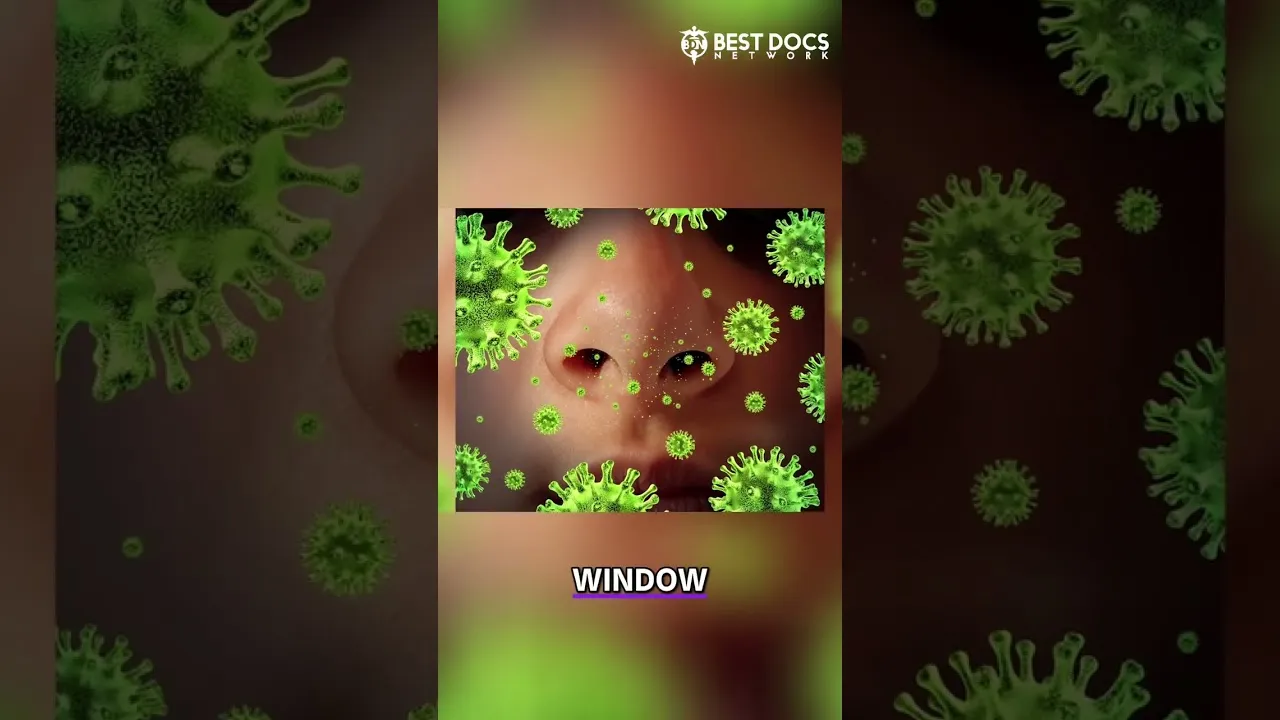
One of the most common reasons people search for medical information online. While many sore throats are caused by viral infections and resolve on their own, others—like strep throat—are bacterial and may require medical treatment.
Understanding the difference between a viral sore throat and strep throat can help you make better decisions about when to seek care and what steps to take next.
What Causes a Sore Throat?
A sore throat can be caused by a variety of factors, but most cases fall into two categories:
- Viral infections (such as the common cold or flu)
- Bacterial infections, most notably strep throat
Viral sore throats are far more common and typically improve within a few days without medical treatment. Strep throat, however, is caused by Streptococcus bacteria and may require antibiotics to prevent complications and speed recovery.
Key Differences Between Strep Throat and Viral Sore Throat
While symptoms can overlap, there are several important differences that can help you distinguish between the two.
Common Signs of Strep Throat
- Sudden onset of sore throat
- Pain when swallowing
- Fever (often above 100.4°F)
- Swollen lymph nodes in the neck
- Red or swollen tonsils, sometimes with white patches
- Absence of cough
Common Signs of a Viral Sore Throat
- Gradual onset of symptoms
- Cough
- Runny or stuffy nose
- Hoarseness
- Mild throat irritation rather than severe pain
- Low-grade or no fever
Because symptoms can vary, it’s not always easy to determine the cause based on how you feel alone.
Why Diagnosis Matters
One of the biggest differences between viral and bacterial sore throats is how they are treated.
- Viral infections typically resolve on their own with rest, fluids, and over-the-counter remedies.
- Strep throat may require antibiotics to reduce the duration of symptoms and prevent complications such as rheumatic fever or kidney inflammation.
The only way to definitively diagnose strep throat is through a rapid strep test or throat culture performed by a healthcare provider.
When to Consider Getting Tested
You should consider seeking medical evaluation if you experience:
- Persistent or severe throat pain
- Fever above 100.4°F
- Difficulty swallowing
- Swollen lymph nodes
- Symptoms that do not improve within a few days
If you’re unsure whether your symptoms may align with strep throat, it can be helpful to review a structured symptom breakdown before deciding your next step.
For a more detailed self-assessment, you can use this guide: 👉 https://strepcareguide.com/do-i-have-strep-throat/
Understanding Your Symptoms Before Seeing a Doctor
Many patients want clarity before scheduling an appointment. Reviewing symptom patterns can help you better understand whether your condition is more likely viral or bacterial.
A structured evaluation of symptoms—such as fever, absence of cough, and throat appearance—can provide insight into the likelihood of strep throat. However, this should always be followed by proper medical testing when appropriate.
For a deeper breakdown of symptoms, testing options, and what to expect, you can explore: 👉 https://strepcareguide.com/
When to Seek Immediate Care
While most sore throats are not serious, you should seek immediate medical attention if you experience:
- Difficulty breathing
- Inability to swallow fluids
- Severe pain
- High fever that does not improve
- Symptoms that worsen rapidly
Final Thoughts
Distinguishing between a viral sore throat and strep throat isn’t always straightforward, but understanding the key differences can help guide your next steps.
When in doubt, it’s always best to consult a healthcare professional. Early evaluation and proper diagnosis ensure you receive the right treatment and avoid unnecessary complications.