Abdominal pain is one of the most common complaints in both kids and adults—but not all stomach pain is created equal. One condition that demands immediate attention is appendicitis, a medical emergency that can escalate quickly if missed.
Understanding how appendicitis presents—especially the order and progression of symptoms—can be the difference between early treatment and a dangerous rupture.
What Is Appendicitis?
Appendicitis is the inflammation of the appendix, a small, tube-like organ attached to the large intestine. When it becomes blocked and infected, pressure builds, blood flow decreases, and the appendix can eventually rupture.
Once that happens, bacteria spread into the abdominal cavity, leading to a serious condition called peritonitis—which can be life-threatening without rapid treatment.
The Classic Timeline of Appendicitis Symptoms
One of the most important things to understand about appendicitis is that it follows a pattern. While not every case is textbook, many share a predictable progression:
1. Pain Starts Near the Belly Button
Early appendicitis pain is often vague and centered around the navel. This is because the initial inflammation affects nerves that are harder for the brain to localize.
At this stage, it can easily be mistaken for gas, indigestion, or a mild stomach bug.
2. Nausea and Vomiting Follow
Within a few hours, symptoms typically escalate to include:
- Nausea
- Vomiting
- Loss of appetite
What matters here is the sequence: pain comes first, then nausea and vomiting. That order helps distinguish appendicitis from common illnesses like food poisoning, where vomiting usually starts first.
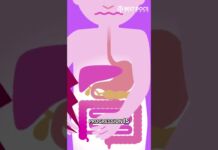
3. Pain Migrates to the Lower Right Abdomen
This is the turning point—and one of the strongest indicators of appendicitis.
As inflammation worsens and begins to irritate the lining of the abdominal wall, the pain moves sharply to the lower right quadrant, where the appendix is located.
At this point, the pain usually becomes:
- More intense
- Easier to pinpoint
- Worse with movement
Rebound Tenderness: A Major Red Flag
A key clinical sign of serious abdominal inflammation is rebound tenderness.
This refers to pain that worsens after pressure is released or after sudden movement. A simple real-world example (especially in kids) is having them jump off a small step:
- If the pain gets worse when they land, that’s a warning sign
- It suggests irritation inside the abdomen
- It may indicate appendicitis or another urgent issue
Rebound pain isn’t subtle—it’s your body signaling that something deeper is wrong.
Other Symptoms to Watch For
While the classic progression is the gold standard, appendicitis can show up in different ways depending on the person. Additional symptoms may include:
- Low-grade fever
- Constipation or diarrhea
- Abdominal swelling
- Inability to pass gas
- Pain that worsens with coughing, walking, or sudden movement
In younger children, symptoms can be harder to describe, which makes observation even more important.
Why Timing Matters
Appendicitis doesn’t just hurt—it progresses.
If untreated, the appendix can rupture within 24–72 hours of symptom onset. Once ruptured, infection spreads rapidly throughout the abdomen, significantly increasing the risk of complications, hospitalization, and recovery time.
This is why “waiting it out” is a risky move.
When to Seek Medical Attention Immediately
You should take action right away if you notice:
- Pain that starts near the belly button and moves to the lower right abdomen
- Nausea and vomiting that follow abdominal pain
- Pain that worsens with movement or impact
- Signs of rebound tenderness
- Increasing intensity over several hours
In these cases, it’s better to be wrong at the ER than right too late.
The Bottom Line
Appendicitis isn’t always obvious—but it’s rarely random.
The key is recognizing the pattern:
- Pain near the belly button
- Nausea and vomiting
- Pain shifting to the lower right abdomen
- Increased pain with movement or rebound
That sequence tells a story—and it’s one you don’t want to ignore.
If something feels off, trust the progression, not just the pain.