Legs that feel tired, heavy, achy or swollen by evening are easy to blame on a long day. Sometimes the cause is chronic venous insufficiency (CVI), a long-term problem with the veins that carry blood from the legs back to the heart. It can worsen over time, but treatment can ease the symptoms.
A leg that suddenly becomes swollen and painful can be a sign of a blood clot. The National Heart, Lung, and Blood Institute (NHLBI) advises calling your provider right away if you think you have a clot in a deep vein. MedlinePlus, from the National Library of Medicine, says to call 911 or go to the emergency room for chest pain, trouble breathing, coughing up blood or fainting.
In the video above, vein specialist Dr. Peter Morgan explains that tired, heavy legs are common complaints among his patients. Many of them have some swelling without realizing it, he says, and swelling can make the legs feel heavy. Venous insufficiency and varicose veins can also cause that tired, heavy feeling.
How leg veins work, and what goes wrong
Cleveland Clinic and the American Venous Forum explain that one-way valves inside the leg veins keep blood moving up toward the heart, while the calf muscles squeeze the veins with each step and push it upward. Cleveland Clinic calls this calf pump the “second heart.”
In CVI, the valves don’t close properly. Blood leaks backward and pools in the lower legs, raising the pressure inside the veins. Over time, Cleveland Clinic says, that pressure can burst tiny blood vessels, leaving reddish-brown skin that breaks open easily.
Causes and risk factors
Cleveland Clinic estimates that CVI affects about 1 in 20 adults. It names a past deep vein thrombosis (DVT), a blood clot in a deep vein, as the most common cause, because the clot can scar the valves. The Society for Vascular Surgery (SVS) notes that CVI can also come from faulty valves, which are usually inherited.
Cleveland Clinic, SVS and MedlinePlus list other risk factors:
- varicose veins, or a family history of vein disease
- older age, especially over 50
- being female, and pregnancy
- obesity
- smoking and too little physical activity
- sitting or standing for long periods
The American Venous Forum specifically mentions jobs that keep people sitting or standing for long stretches, which can slow blood flow in the veins.
Symptoms
Common symptoms include:
- tired, heavy, achy or tight legs
- swelling in the lower legs and ankles, often worse at the end of the day
- itching, tingling or leg cramps
- varicose veins
- reddish-brown, dry or leathery skin, often around the ankles
How it can progress
Cleveland Clinic calls CVI a progressive disease. Doctors grade vein disease in stages, from visible veins, to swelling, to changes in skin color and texture, to leg ulcers. Cleveland Clinic says venous ulcers, open sores usually near the ankle, heal slowly, can become infected and may return even after treatment. The condition usually doesn’t threaten life or limb, but it can bring pain and make daily life harder.
What Dr. Morgan says
In another Ask the Doctor video, Will my venous insufficiency worsen without treatment?, Dr. Morgan says untreated chronic venous insufficiency gets worse over time. People with a strong genetic tendency toward it, he adds, worsen faster than those whose problem comes from lifestyle factors.
In a video about leg wounds, he says leg wounds can have other causes, but most chronic wounds that won’t heal are related to vein problems. Our article Leg Wounds That Won’t Heal covers those ulcers and that video in more detail.
How it’s diagnosed
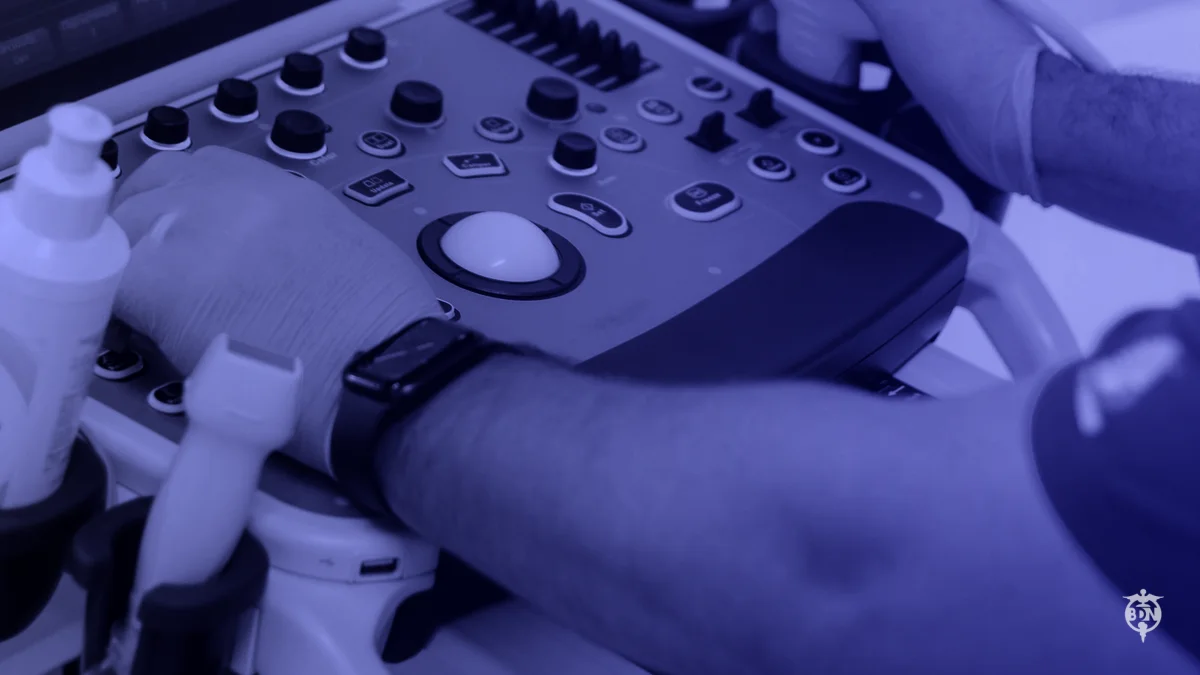
A doctor will ask about your symptoms and history and examine your legs. The main test is a duplex ultrasound, a painless scan that shows how blood flows through the veins and how well the valves work.
First steps in treatment
Treatment can’t repair damaged valves or cure CVI, Cleveland Clinic explains, but it can relieve symptoms. The first steps usually include:
- Moving more. Walking helps blood flow in the leg veins. If you sit or stand a lot, move your legs often.
- Raising your legs above the level of your heart.
- A healthy weight and not smoking.
- Daily skin checks and moisturizer to prevent cracks that can become infected.
- Compression stockings, which put gentle pressure on the legs to push blood upward and reduce swelling. Compression isn’t safe for everyone, including some people with poor artery circulation, so ask your doctor first.
Minimally invasive vein procedures
If symptoms continue, a vein specialist may suggest closing or removing the damaged veins so blood no longer flows through them:
- Endovenous ablation: a thin tube called a catheter delivers laser or radiofrequency heat to seal the vein from the inside.
- Sclerotherapy: a liquid or foam injected into the vein makes it close.
- Phlebectomy: surface varicose veins are removed through tiny cuts.
MedlinePlus says these procedures are usually done in an office or clinic with local anesthesia, and you can usually return to normal activities within a day or two. SVS says surgery to tie off or strip veins is for severe cases.
Can treatment need to be repeated?
Sometimes. MedlinePlus lists reopening of a treated vein, and the varicose vein returning over time, among the possible risks of these procedures. Cleveland Clinic says varicose veins can come back even after effective treatment, and the options can then be discussed again.
When to see a doctor
SVS advises talking with your doctor about seeing a vascular surgeon if you have any symptoms of CVI, since early care can help prevent complications. MedlinePlus also advises contacting a provider for painful varicose veins, symptoms that don’t improve with self-care, a sudden increase in leg pain or swelling, a fever, leg redness or sores.
Questions to ask your doctor
- Are my tired, heavy legs caused by my veins, or could something else be the cause?
- Do I need a duplex ultrasound?
- How advanced is my vein disease?
- Is compression safe for me, and what strength should I wear?
- My job keeps me on my feet. What can I do during the workday?
- Am I a candidate for a vein procedure, and could the problem come back?
Dr. Morgan is a vein specialist in the Houston area. See Dr. Morgan’s Best Docs Network profile for more about the practice.
Sources
- Cleveland Clinic: Chronic Venous Insufficiency (CVI)
- Cleveland Clinic: Varicose Veins
- Society for Vascular Surgery: Chronic Venous Insufficiency
- American Venous Forum: What Is Chronic Venous Disease?
- MedlinePlus (National Library of Medicine): Venous insufficiency
- MedlinePlus (National Library of Medicine): Varicose vein - noninvasive treatment
- MedlinePlus (National Library of Medicine): Deep vein thrombosis
- National Heart, Lung, and Blood Institute: Venous Thromboembolism Symptoms
This article is for general information only and is not medical advice. Talk with a qualified health professional about your own situation. If you think you may have a medical emergency, call 911.