Endoscopic sleeve gastroplasty (ESG) shrinks the stomach with stitches placed from the inside, using a flexible scope passed through the mouth. It needs no cuts in the skin, but it usually leads to less weight loss than surgery.
Know the warning signs after ESG. Cleveland Clinic advises calling your provider after ESG for fever, severe belly pain, nausea or vomiting, blood in your vomit or stool, chest pain or shortness of breath, or trouble swallowing. MedlinePlus says to call 911 for sudden, crushing chest pain or pressure; sudden, sharp chest pain with shortness of breath, especially after bed rest, which may mean a blood clot in the lungs; or breathing trouble that comes on suddenly. If you vomit blood, contact your provider or go to the emergency room.
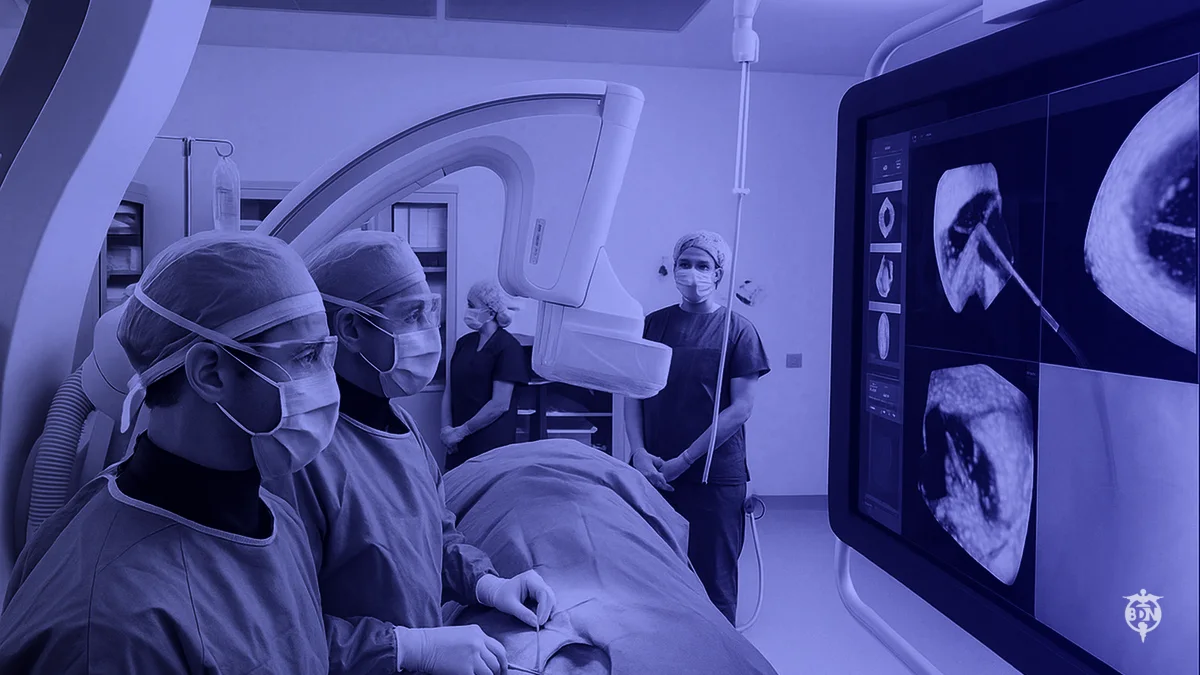
In the video above, LoneStar Bariatrics, the North Texas practice of bariatric surgeon Dr. Chad Carlton, shows how endoscopic sleeve gastroplasty is done. The information below comes from the medical sources listed at the end of this article.
What ESG is
While you are asleep, a doctor guides an endoscope (a long, flexible tube with a camera) through your mouth into your stomach. A stitching tool on the scope sews the front and back stomach walls together, folding the stomach into a narrow tube, a bit like an accordion. Johns Hopkins says this cuts the stomach’s volume by about 70%. A smaller stomach holds less, and because food leaves the narrow tube more slowly, you feel satisfied for longer.
How ESG differs from the surgical sleeve
In a surgical sleeve (sleeve gastrectomy), a surgeon works through small cuts in the belly and removes about 80% of the stomach, a change that can’t be undone. ESG removes nothing.
Cleveland Clinic reports an average loss of 25% to 30% of body weight in the first one to two years after a surgical sleeve, compared with about 15% to 20% after ESG. The American Society for Metabolic and Bariatric Surgery (ASMBS) endorses ESG for carefully chosen patients but doesn’t consider it equal to surgery for weight loss or metabolic effects. Recovery is quicker: most people are back at work within a week of ESG, versus about a month after a surgical sleeve.
Who it’s for
- In 2022, the U.S. Food and Drug Administration (FDA) authorized the ESG stitching system for adults with a body mass index (BMI) of 30 to 50 who have tried less invasive weight loss methods without lasting success.
- ASMBS recommends ESG mainly for a BMI of 30 to 40, where most research has been done. It also sees a role for people who don’t want surgery, aren’t ready for it, or face higher surgical risk.
ESG may not be safe for people with stomach ulcers or bleeding problems, a large hiatal hernia, an eating disorder, a poorly controlled mood disorder, or pregnancy. ASMBS says ESG should come with nutrition, mental health and medical support and long-term follow-up, not as a one-time fix. Insurance coverage varies, it adds.
How the procedure is done
Preparation may include lab tests and not eating after midnight. Under general anesthesia, a gastroenterologist or surgeon passes the scope into your stomach and fills it with gas so the camera can show the inside. The doctor places about 8 to 10 stitches and pulls them tight. The stitches are permanent, and as the stomach heals, it keeps its new tube shape.
The procedure takes about 60 to 90 minutes. You may go home the same day or stay overnight; sources differ on which is more common. Someone must drive you home.
How much weight people lose
Results vary. Sources report loss as a share of body weight:
- Cleveland Clinic: most people lose 15% to 20% within the first year.
- Johns Hopkins: about 12% to 20% within a year.
- ASMBS: an average of 13.6% at one year in MERIT, a randomized trial at nine U.S. centers, and about 15% to 17.5% in studies that followed patients over time.
In the FDA’s review of MERIT, about 62% of ESG patients, who also followed a lifestyle program, lost at least 10% of their weight in a year; a lifestyle-only group lost about 1% on average. Cleveland Clinic says ESG can also improve high blood pressure, type 2 diabetes and high cholesterol. Some people regain weight.
Risks and side effects
Most people have some side effects at first. In MERIT, the most common were nausea, belly pain, constipation, belching, heartburn and diarrhea. They usually began in the first week and cleared up within 30 to 60 days.
Serious problems are uncommon. Johns Hopkins’ list includes bleeding, infection, a stomach tear, an abscess, leaking stomach contents, a blood clot in the lung and a collapsed lung. In MERIT, 11 of 150 people (about 7%) had a serious problem linked to the device or procedure, most often nausea, pain and vomiting that needed a hospital stay for fluids and medicine. ASMBS notes that some members worry real-world complication rates are higher than studies show.
Recovery and diet
Cleveland Clinic says side effects often ease within the first week. Normal eating usually waits about a month while the stomach heals, so your diet moves from liquids to soft foods to solids. Johns Hopkins gives one example:
- First 8 hours: clear liquids only
- First week: protein-boosted liquids; skip caffeine and alcohol
- Second week: add soft foods low in sugar and fat
- After about a month: small amounts of solid food, usually
Programs differ (UW Health’s schedule moves more slowly), so follow your own team’s plan. Long term, Johns Hopkins suggests eating slowly, chewing well, stopping when full and keeping meals to no more than about a cup of food.
Is ESG permanent?
ESG is meant to last, but it isn’t a one-way change. Johns Hopkins and Cleveland Clinic say the stitches can be removed if needed, and Johns Hopkins says ESG can be repeated if the stomach stretches or the stitches loosen. The FDA’s review found that ESG can be converted to a surgical sleeve. But ASMBS warns that ESG can reshape the stomach and leave permanent anchors (small fasteners that hold the stitches), which may make later surgery harder and possibly riskier. How well results last over many years is still being studied.
Questions to ask your doctor
- Am I a good candidate for ESG, or would medicine or surgery suit me better?
- How much weight loss is realistic for me, and what if I regain?
- How much ESG training and experience does my doctor have?
- If I need weight loss surgery later, how could ESG affect it?
- Will my insurance cover ESG?
Dr. Carlton is a bariatric surgeon in the Dallas–Fort Worth area. See Dr. Carlton’s Best Docs Network profile for more about the practice.
Sources
- Cleveland Clinic: Endoscopic Sleeve Gastroplasty
- Cleveland Clinic: Gastric Sleeve Surgery
- Johns Hopkins Medicine: Endoscopic Sleeve Gastroplasty
- American Society for Metabolic and Bariatric Surgery: Endoscopic Sleeve Gastroplasty (ESG) FAQ & CPT Code Information
- American Society for Metabolic and Bariatric Surgery: Endoscopic Sleeve Gastroplasty (ESG) Gains CPT Code Effective January 1, 2026
- U.S. Food and Drug Administration: De Novo Classification Request for Apollo ESG, Apollo ESG Sx, Apollo REVISE, Apollo REVISE Sx Systems (DEN210045), Decision Summary
- U.S. Food and Drug Administration: Device Classification Under Section 513(f)(2) (De Novo): DEN210045
- UW Health (University of Wisconsin Hospitals and Clinics): Home Care After Endoscopic Sleeve Gastroplasty and Gastric Bypass Revision (TORe)
- MedlinePlus (U.S. National Library of Medicine): Chest pain
- MedlinePlus (U.S. National Library of Medicine): Breathing difficulty
- MedlinePlus (U.S. National Library of Medicine): Vomiting blood
This article is for general information only and is not medical advice. Talk with a qualified health professional about your own situation. If you think you may have a medical emergency, call 911.