Restless legs syndrome (RLS) causes a strong urge to move your legs, mostly while resting in the evening or at night. It is a sleep-related movement disorder with many possible causes. Vein problems can cause leg symptoms that overlap with it, so it helps to know how doctors tell the two apart.
Sudden leg pain or swelling needs prompt care. MedlinePlus advises contacting a provider right away for a sudden increase in leg pain or swelling, fever, leg redness or leg sores. Swelling, pain, warmth or redness in one leg can be a sign of a blood clot in a deep vein. Call 911 for chest pain, trouble breathing, coughing up blood or fainting.
In the video above, vein specialist Dr. Peter Morgan describes what restless legs feel like and how he treated the leg veins of a patient who had tired, aching legs and years of poor sleep.
What restless legs syndrome is
MedlinePlus calls RLS a nervous system disorder, and the American Academy of Sleep Medicine (AASM) estimates that 7% to 10% of people have it.
The AASM sums up its four key features with the word URGE:
- an urge to move the legs, usually with uncomfortable feelings that are hard to describe
- symptoms that start or get worse at rest
- relief, at least for a while, from getting up and moving
- symptoms that are worse in the evening or at night
People describe crawling, pulling, aching, itching or burning feelings, usually in both legs. Because symptoms peak at bedtime, RLS can disrupt sleep and lead to daytime tiredness, anxiety or trouble concentrating. MedlinePlus notes that RLS isn’t dangerous. There’s no cure, but treatment can help manage it.
Possible causes and links
In most cases, no cause is found. Researchers have linked RLS to low iron in the brain, to problems with dopamine (a brain chemical involved in movement) and to genes. The AASM says about half of people with RLS have a family history of it.
RLS can also be tied to:
- iron deficiency, with or without anemia
- pregnancy, with the risk rising each trimester
- chronic kidney disease
- nerve damage (peripheral neuropathy), Parkinson’s disease or multiple sclerosis
- some antihistamines, anti-nausea medicines, antidepressants and other psychiatric medicines
- caffeine, alcohol and tobacco, which may make symptoms worse
How vein disease can cause similar symptoms
Leg veins have one-way valves that keep blood moving toward the heart. When the valves weaken, blood can flow backward and pool in the legs. This is called venous insufficiency, and it can lead to varicose veins. The Society for Vascular Surgery (SVS) describes it as fairly common.
Cleveland Clinic lists symptoms such as tired, heavy or aching legs, swelling, itching, tingling and leg cramps at night. They tend to worsen after long periods of standing or sitting and by day’s end, and raising the legs can ease them. The SVS and MedlinePlus both list restless legs among the possible symptoms of vein disease.
Still, RLS centers on an urge to move that eases with movement, while vein symptoms such as heaviness and swelling tend to build over the day and often come with visible veins or skin changes. Since both conditions are common, a person can have both. Cleveland Clinic says RLS is diagnosed only when no other condition explains the symptoms.
What research says about veins and RLS
A 2025 systematic review found 10 studies on RLS and vein disease. Seven reported a link, and several reported that RLS symptoms improved after vein procedures. Others found no clear link, the studies varied in design, and the authors called for more research. Vein treatment isn’t among the RLS treatments described by Cleveland Clinic, MedlinePlus or the AASM.
How doctors tell them apart
- History and exam. There’s no single test for RLS. Doctors diagnose it from your symptoms, history and an exam. The AASM advises ruling out look-alikes such as nerve problems and leg cramps.
- Blood tests can check for iron deficiency and other conditions. The AASM advises checking iron levels, including ferritin.
- A sleep study or neurological exam may help rule out other problems.
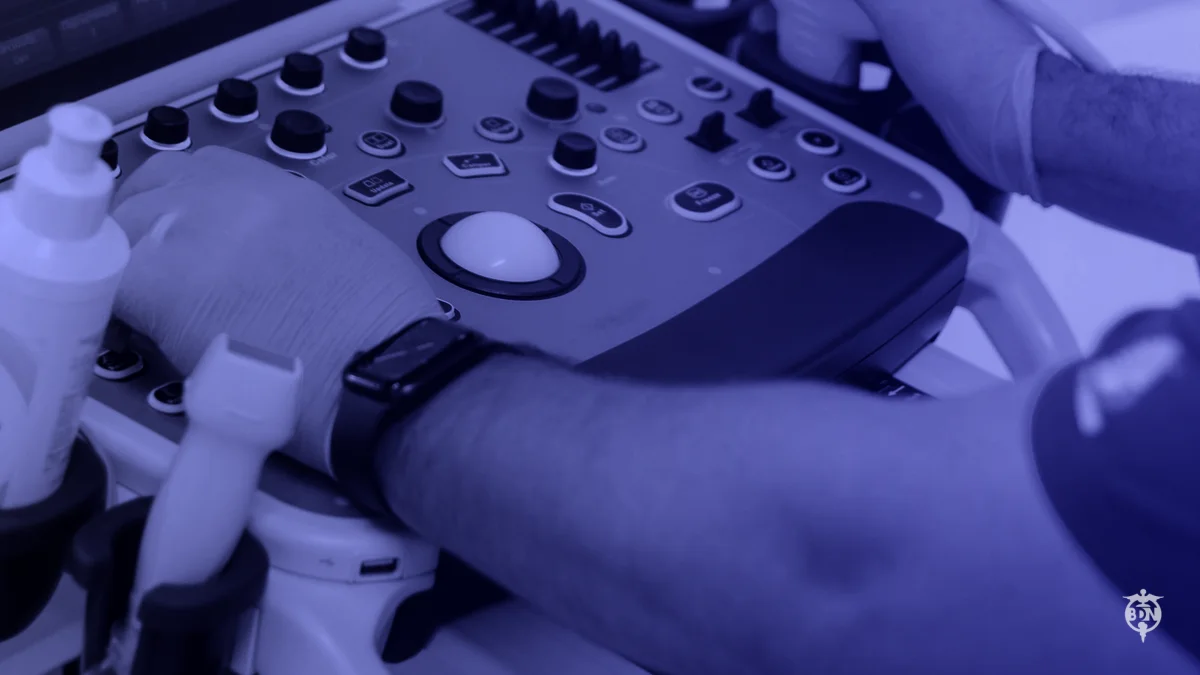
- Ultrasound of the leg veins. If vein disease is suspected, a painless duplex ultrasound shows how blood flows through the veins and which ones are faulty.
Treatment
- Lifestyle steps: regular moderate exercise, a steady sleep schedule, stretching, massage, warm baths, and less caffeine, alcohol and tobacco.
- Treating iron deficiency: if iron is low, a doctor may recommend iron by mouth or by infusion and look for the cause.
- Reviewing medicines that can make RLS worse.
- Medicines for RLS: several kinds of prescription medicine can ease symptoms. The AASM doesn’t recommend one group for standard use because, over time, they can make symptoms worse. Treating sleep apnea may also help.
- Treating vein disease when it’s present: care usually starts with compression stockings, raising the legs, walking and a healthy weight. Procedures can close faulty veins with heat (ablation) or an injection (sclerotherapy).
What Dr. Morgan says
Dr. Morgan describes restless legs as an “overwhelming urge to move your legs” that is hard to explain. He says it almost always happens at night and can cause severe sleeplessness and anxiety.
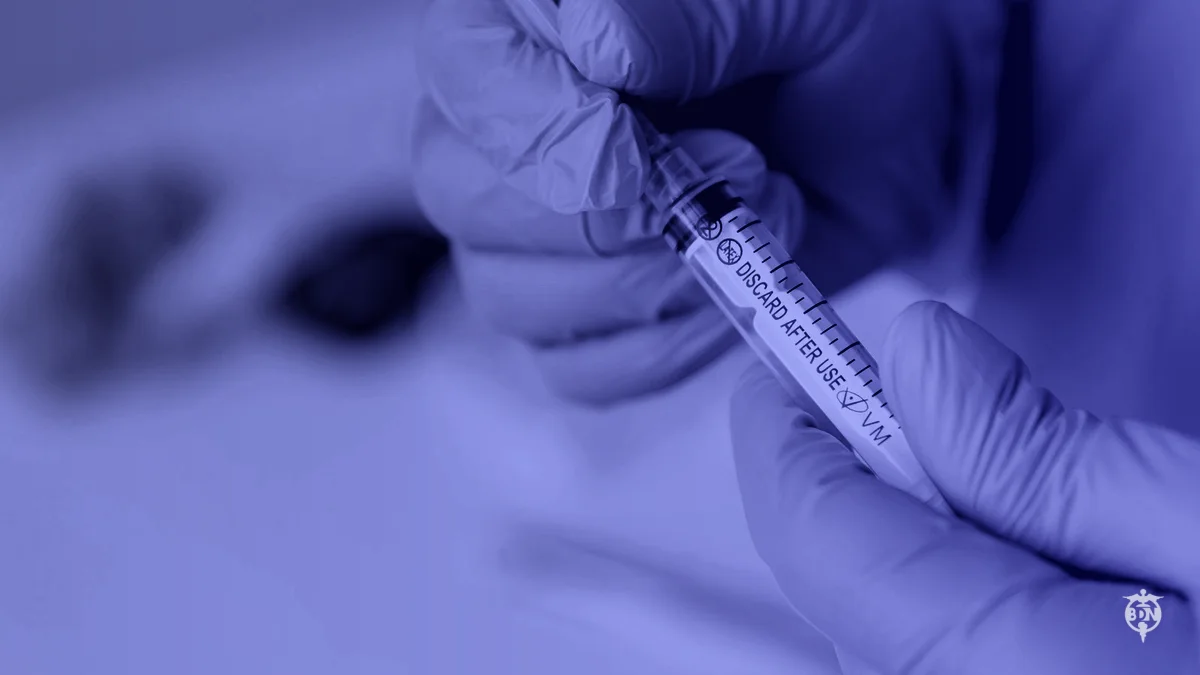
The patient says her legs were very tired and hurt all night for years. Dr. Morgan explains that his team mapped her veins with ultrasound and used radiofrequency energy to close only the enlarged veins where failed valves let blood run backward. He says this is done without incisions, unlike older vein surgery, which he says required general anesthesia and large incisions.
The patient says she now sleeps comfortably. This reflects Dr. Morgan’s experience as a vein specialist and one patient’s story, not a promise of results. RLS has many possible causes, and research on vein treatment for RLS is still limited.
When to see a doctor
MedlinePlus advises seeing a provider if you have RLS symptoms, if they disrupt your sleep or if they get worse. The SVS suggests asking about a referral to a vascular surgeon for symptoms of vein disease.
Questions to ask your doctor
- Do my symptoms fit restless legs syndrome, vein disease or both?
- Could nerve problems, cramps or a medicine I take be causing them?
- Should my iron levels be checked?
- Do I need an ultrasound of my leg veins?
- If I have vein disease, how likely is treatment to help my restless legs?
- Should I see a sleep specialist, a vein specialist or both?
Dr. Morgan is a vein specialist in the Houston area. See Dr. Morgan’s Best Docs Network profile for more about the practice.
Sources
- Cleveland Clinic. Restless Legs Syndrome.
- Cleveland Clinic. Chronic Venous Insufficiency (CVI).
- American Academy of Sleep Medicine. Restless Legs Syndrome: Provider Fact Sheet.
- Society for Vascular Surgery. Chronic Venous Insufficiency.
- Society for Vascular Surgery. Varicose Veins.
- MedlinePlus (U.S. National Library of Medicine). Restless Legs.
- MedlinePlus (U.S. National Library of Medicine). Restless legs syndrome.
- MedlinePlus (U.S. National Library of Medicine). Varicose veins.
- MedlinePlus (U.S. National Library of Medicine). Deep vein thrombosis.
- Alyahya MA, Almansour R, Altamimi A, AlAkeel N. The association between restless legs syndrome and chronic venous insufficiency: a systematic review. Journal of Medicine and Life, 2025.
This article is for general information only and is not medical advice. Talk with a qualified health professional about your own situation. If you think you may have a medical emergency, call 911.