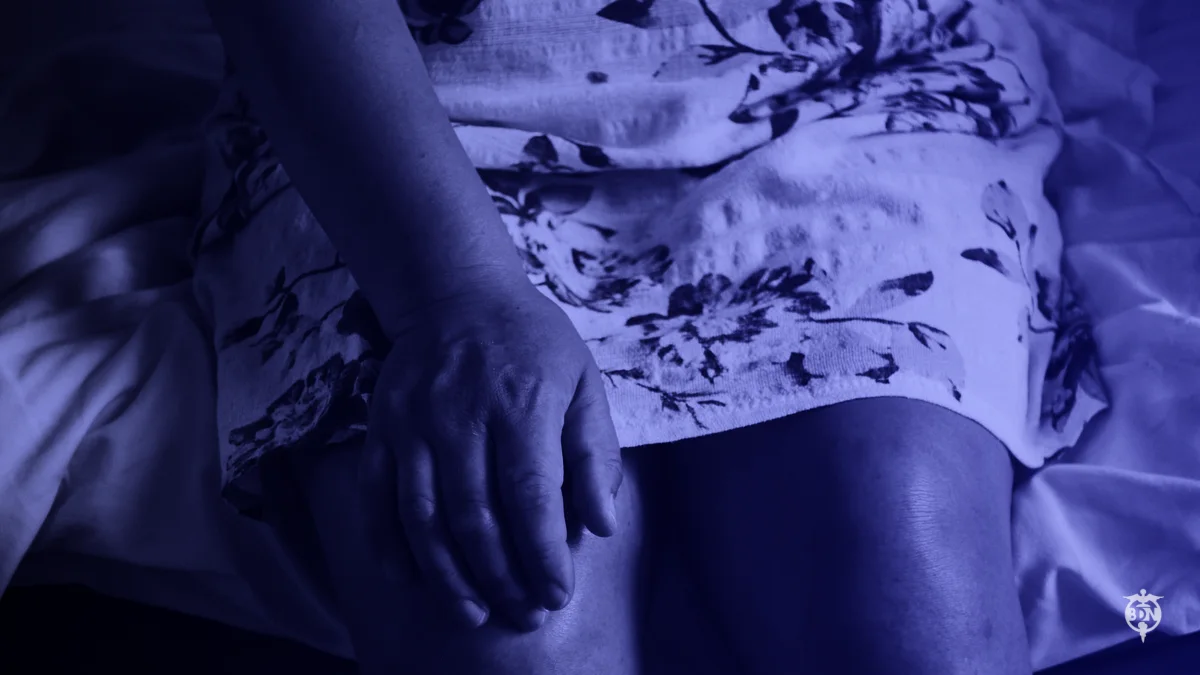
Varicose veins are swollen, twisted veins just under the skin, usually in the legs. Spider veins are much smaller vessels in the skin that form red, blue or purple webs. Both are common. Spider veins are mostly a cosmetic concern, but varicose veins can ache and swell, and they can get worse if left untreated.
Bleeding from a varicose vein is an emergency. The National Heart, Lung, and Blood Institute (NHLBI), part of the National Institutes of Health, advises calling 911 for any bleeding from varicose veins, and calling your provider right away for a swollen, tender, painful leg, which can be a sign of a blood clot. Cleveland Clinic lists chest pain, trouble breathing and coughing up blood as clot warning signs that need emergency care.
In the video above, vein specialist Dr. Peter Morgan explains why varicose veins form and how closing the faulty veins treats them, and a patient describes her procedure. In a separate Ask the Doctor video, he explains how varicose, reticular and spider veins differ. The other details below come from the medical organizations listed under Sources.
Why veins bulge
Leg veins carry blood back up to the heart, and small one-way valves keep it from sliding back down. When vein walls or valves weaken, blood can flow backward and pool, NHLBI and Cleveland Clinic explain. Pressure builds, and the vein stretches, bulges and twists.
Dr. Morgan puts it simply: the leg has no heart of its own, so the leg muscles do the pumping. Once a vein gets too large and its valves fail, that pumping stops working, blood pools, and the high pressure creates bulging varicose veins. He describes them as a sign of an underlying problem with circulation in the leg veins.
Varicose, reticular and spider veins
In the Ask the Doctor video, Dr. Morgan describes three types:
- Varicose veins are much larger and usually coiled, because the vein grows longer while the leg doesn’t. They sit deeper, so many aren’t visible on the surface.
- Reticular veins lie just beneath the skin and can often be seen in good light. Cleveland Clinic says they’re bluish and about 1 to 3 millimeters wide.
- Spider veins are tiny vessels in the top layer of the skin. He says they’re mostly cosmetic and usually painless, though they can be a sign of high pressure underneath.
Cleveland Clinic adds that spider veins may be an early sign of chronic venous insufficiency, a long-term blood flow problem in the leg veins.
Causes and risk factors
Cleveland Clinic, NHLBI, the Society for Vascular Surgery (SVS) and the American Academy of Family Physicians (AAFP) list older age, a family history, pregnancy and other hormone changes, being female, extra weight, long periods of sitting or standing, inactivity and smoking. The patient in the video credits 20 years on her feet as a nurse, plus heredity.
Symptoms, and when they’re more than cosmetic
Many people have few or no symptoms, AAFP says. Others notice aching, heavy or tired legs, ankle swelling, itching or burning around the veins, or night cramps. NHLBI notes that symptoms often worsen after long sitting or standing and ease when you raise your feet.
Over time, varicose veins can lead to skin color changes, bleeding and open sores (ulcers) that heal poorly. Cleveland Clinic says people with varicose veins also have a higher risk of deep vein thrombosis.
When to see a doctor
Cleveland Clinic suggests having new varicose veins checked, and getting prompt care if a vein or the skin around it is painful, red, warm or swollen, or if you notice sores, a rash or skin color changes. NHLBI advises calling your provider right away if your veins suddenly get worse.
How they’re diagnosed
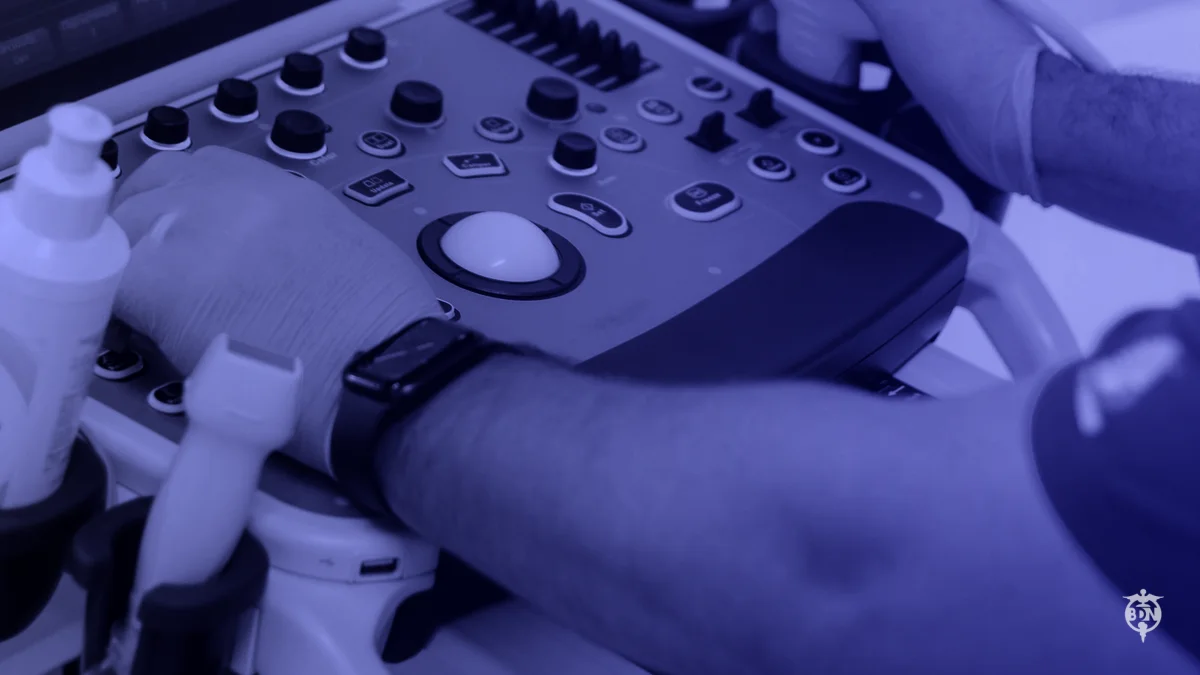
A doctor will ask about your symptoms and family history and examine your legs, including while you stand. SVS and NHLBI say a duplex ultrasound is often used. This painless test uses sound waves to show blood flow, find veins that leak backward and help plan treatment.
Treatment options
Treatment aims to ease symptoms, prevent complications and improve appearance. It isn’t a cure, and new veins can form later, Cleveland Clinic and NHLBI note.
- Self-care. Stay active, keep a healthy weight, raise your legs when resting and avoid long periods of sitting or standing.
- Compression stockings ease swelling and aching but don’t fix the backward flow, NHLBI says. SVS notes that most insurers require a three-month trial before covering procedures.
- Sclerotherapy. A liquid or foam solution is injected so the vein closes and fades. Cleveland Clinic says it’s mainly for spider veins and smaller varicose veins and often takes more than one session. Laser is the usual choice for spider veins on the face.
- Catheter-based closure (endovenous ablation). For larger varicose veins, a doctor numbs the area and uses ultrasound to guide a thin tube into the vein. Laser or radiofrequency heat, or a medical adhesive, seals it shut. The vein stays in place and shrinks, and blood reroutes through healthy veins.
- Phlebectomy. Surface veins are removed through tiny cuts, sometimes along with ablation.
- Surgery (ligation and stripping). The vein is tied off and removed. NHLBI says it’s usually reserved for people who can’t have a less invasive option, because recovery is longer and more painful.
Dr. Morgan explains that the goal is to close the veins that run backward. A vein that isn’t moving blood up out of the leg, he says, only hurts, so closing or removing it helps bring circulation back to normal.
What recovery looks like
Most vein procedures have a short recovery, NHLBI says. After ablation, Cleveland Clinic advises walking often, wearing compression and avoiding hard exercise until cleared. Most people return to work within a few days, and bruising and soreness usually ease within weeks. SVS says people usually resume normal activities a day or two after phlebectomy, but about four weeks after stripping.
The patient in the video says her procedure took 30 to 45 minutes and she walked right afterward, with less swelling and aching since. Results vary, and some people need more than one treatment.
Questions to ask your doctor
- Are these spider, reticular or varicose veins?
- Do I need an ultrasound to check for backward flow?
- Should I try compression stockings first, and for how long?
- Which treatment fits my veins, and why?
- Is it considered medical or cosmetic, and will insurance cover it?
- What will recovery be like, and when can I return to work and exercise?
- Which warning signs, such as a blood clot, should I watch for afterward?
Dr. Morgan is a vein specialist in the Houston area. See Dr. Morgan’s Best Docs Network profile for more about the practice.
Sources
- National Heart, Lung, and Blood Institute: Varicose Veins
- National Heart, Lung, and Blood Institute: Venous Thromboembolism: Symptoms
- MedlinePlus (National Library of Medicine): Varicose Veins
- Cleveland Clinic: Varicose Veins
- Cleveland Clinic: Spider Veins
- Cleveland Clinic: Sclerotherapy
- Cleveland Clinic: Endovenous Thermal Ablation
- Cleveland Clinic: Vein Ligation and Stripping
- Society for Vascular Surgery: Varicose Veins
- American Academy of Family Physicians, familydoctor.org: Varicose Veins
This article is for general information only and is not medical advice. Talk with a qualified health professional about your own situation. If you think you may have a medical emergency, call 911.