
Spider bites are a common concern, especially in warmer climates and outdoor environments. While most spider bites are harmless and resolve on their own, a small number can cause more serious reactions that require medical attention. Understanding the different types of spider bites, their symptoms, and appropriate treatments can help patients respond quickly and safely.
What Dr. Honaker says in the video
In the video above, family physician Dr. Richard Honaker compares the two spider bites that concern doctors most.
Brown recluse: Dr. Honaker calls it a bad venom to get. He explains that the bite usually doesn’t cause problems throughout the body. The damage happens at the bite itself, where tissue and cells die (necrosis). It generally starts as a small puncture wound that turns dark brown and then black, and the dark area can keep spreading. He says that can become a big problem: sometimes the damaged area has to be removed surgically, and sometimes it’s treated with an injected medicine.
Black widow: Dr. Honaker says this venom works differently. It does little at the bite, apart from some pain, but it travels through the body and can cause severe muscle cramps, spasms and breathing problems. That needs a hospital visit as soon as possible.
Common Spider Bites (Generally Mild)
Most spider bites in the United States fall into this category and are often mistaken for mosquito bites or minor skin irritations.
Only two kinds of spiders in the United States are considered medically important because of their bites: the brown recluse and the black widow, according to a review in American Family Physician, the journal of the American Academy of Family Physicians.
Symptoms
- Redness and mild swelling
- Itching or slight burning sensation
- Localized pain or tenderness
Treatment
- Wash the area with soap and water
- Apply a cold compress to reduce swelling
- Use over-the-counter antihistamines or hydrocortisone cream for itching
- Avoid scratching to prevent infection
- Watch the bite over the next several days for signs of infection, such as redness, swelling or pain that is getting worse
These bites typically heal within a few days without complications.
Brown Recluse Spider Bites (Potentially Serious)
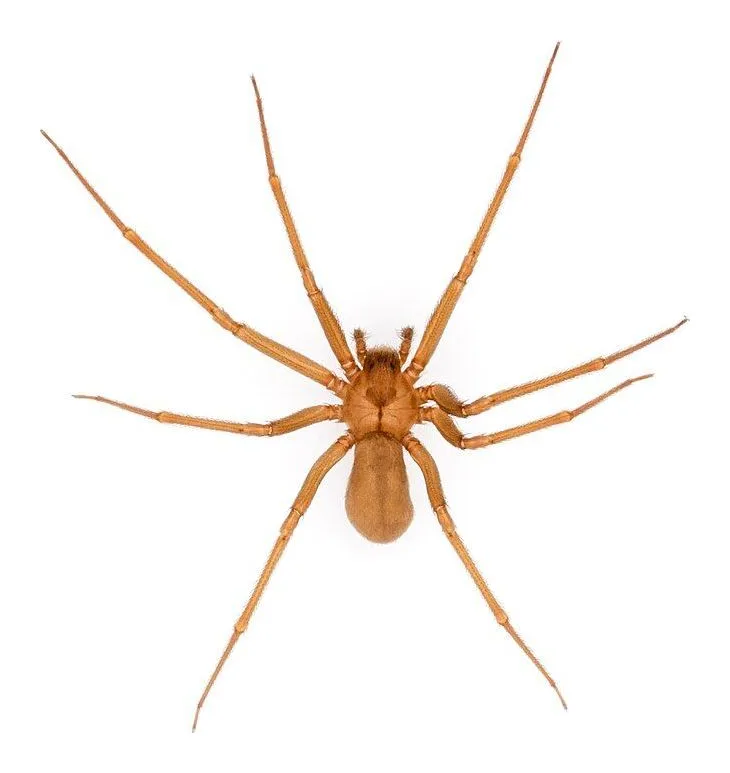
Brown recluse spider, Austin, Texas. Photo: Alex Wild, Insects Unlocked (University of Texas at Austin), public domain, via Wikimedia Commons.
Brown recluse spiders are found primarily in the central and southern United States. Their bites can cause tissue damage if not properly monitored.
Symptoms
- Mild pain at first, worsening over several hours
- Redness with a pale or bluish center
- Blistering or open sores
- In rare cases, tissue necrosis
Treatment
- Seek medical evaluation as soon as possible
- Clean and elevate the affected area
- Apply ice to reduce swelling
- Prescription medications may be required for pain or wound care; antibiotics are needed only if the wound gets infected
Early medical attention significantly improves outcomes.
Brown recluse bite: identification, symptoms and when to go to the ER
This section explains how to recognize a brown recluse, how a bite usually changes over time, what to do right away, and the warning signs that mean you should get care fast.
How to identify a brown recluse
- Color: brown, with brown legs.
- Violin mark: a dark brown, violin-shaped marking on the top of its head and upper body. That’s why it’s also called the violin spider or fiddleback spider.
- Eyes: six eyes, arranged in three pairs. Most spiders have eight.
- Size: small, usually about 1/4 to 3/4 inch long.
Many harmless brown spiders look a lot like a brown recluse and are often mistaken for one. If you can do it safely, bring the spider to your doctor or the ER in a closed container so it can be identified.
Where brown recluses live, including Texas
Brown recluses are most common in the southern and central United States. MedlinePlus, from the National Institutes of Health, lists eastern Texas among the places they’re most common, along with Missouri, Kansas, Arkansas, Louisiana and Oklahoma. A review in American Family Physician includes Texas in the spider’s range and notes that it isn’t native to the West, the Northeast, the mid-Atlantic or the coastal South. Brown recluses have also turned up in some large cities outside these areas.
Where they hide: Brown recluses like dark, dry, sheltered places. Outdoors, that means spots such as under porches and logs, in woodpiles, and in piles of rocks or leaves. Indoors, they hide in dark closets, attics, shoes, piles of clothing, bedding, and behind furniture.
How bites happen: Brown recluses aren’t aggressive. They bite when they’re trapped against the skin, for example when someone rolls onto one in bed or puts on clothing or shoes with a spider inside. That’s why most recluse bites happen indoors, often on the trunk of the body.
What a brown recluse bite looks like over time
Every bite is different, but medical sources describe this general pattern:
- When it happens: The bite may feel like a sharp sting or a mild burn. Many people feel nothing at all.
- The first few hours: Pain often starts within several hours and can become severe. A small red bump with a pale center may appear, and a small white blister often forms. A tender red, or reddish-purple, ring can develop around it.
- The first day or two: Most bites stay small. In a minority, the center of the bite starts to die (necrosis), usually 24 to 48 hours after the bite. The spot may become a blood blister with a bull’s-eye look.
- The following days and weeks: In serious cases, the center turns dark and forms a black, scab-like crust called an eschar. When the crust falls away, it can leave an open sore (ulcer). The sore may take weeks to months to heal and can leave a scar.
Most bites heal without severe damage. Most brown recluse bites clear up within about a week with simple wound care, and deep skin damage is uncommon.
Rarely, the venom affects the whole body. Signs can include fever, chills, nausea, the breakdown of red blood cells, blood in the urine, yellowing of the skin or eyes (jaundice), kidney failure and seizures. Children are more likely than adults to have these serious reactions, and a small skin wound doesn’t rule them out.
Is it really a spider bite?
Many sores blamed on brown recluse spiders turn out to be something else. Cleveland Clinic says people sometimes confuse MRSA skin infections with spider bites. MRSA is a type of staph germ that resists some common antibiotics. A review in American Family Physician adds that unless you actually saw the spider, doctors should consider other causes. In one series of 600 suspected spider bites, about 8 in 10 had other causes, such as skin infections. Bites from other bugs, such as ticks and fleas, can also be mistaken for spider bites.
There’s no lab test that confirms a brown recluse bite. Getting the right answer matters, because a skin infection may need different treatment than a bite.
Signs of a skin infection such as MRSA include a bump or area that is red, swollen, painful, warm to the touch, or full of pus, sometimes with a fever. Don’t pick at it or pop it. Cover it with a clean, dry bandage and see a health care provider.
First aid for a suspected brown recluse bite
MedlinePlus advises getting medical care right away after a brown recluse bite. You can also call Poison Help at 1-800-222-1222. The line is free and open 24 hours a day. While you’re getting help:
- Stay calm.
- Wash the bite with soap and water.
- Put ice wrapped in a clean cloth on the bite for 10 minutes, then take it off for 10 minutes, and repeat. Use shorter times for someone with blood flow problems.
- Keep the area still, and raise it if you can.
- Loosen tight clothing, and take off rings or other tight jewelry near the bite.
- Don’t try to remove the venom, and don’t use a tourniquet.
- If it’s safe, bring the spider in a closed container so it can be identified.
- Make sure your tetanus shots are up to date. Bites can become infected with tetanus.
How doctors treat a brown recluse bite
Treatment is mostly supportive. That means easing symptoms, helping the wound heal, and watching for complications. Depending on the bite, care may include:
- careful wound care, sometimes with trimming away dead tissue
- a tetanus shot, if you need one
- medicine for pain
- antibiotics if the wound becomes infected
- a brace or elevation for a bite near a joint
- a hospital stay for anyone with whole-body symptoms, where blood and urine tests, IV fluids and other treatment may be needed
- surgery later on to improve a scar, for some people
Antivenom for brown recluse bites is not available in the United States.
When to go to the ER for a brown recluse bite
See a doctor promptly for any bite you think came from a brown recluse. A sore that is starting to break down needs professional medical care. Go to the ER right away if:
- the pain is severe or getting worse
- the sore is growing, turning dark or black, or opening into an ulcer
- redness, swelling or warmth is spreading, or the bite is draining pus
- you have a fever, chills, sweating, nausea or vomiting, or you feel generally ill
- you notice blood in the urine, or yellowing of the skin or the whites of the eyes
- the person who was bitten is a child, since children can have more serious reactions
Call 911 for trouble breathing, swelling of the face, lips or tongue, a feeling that the throat is closing, chest pain, fainting, a seizure, or if the person is hard to wake.
Black Widow Spider Bites (Neurologic Symptoms)
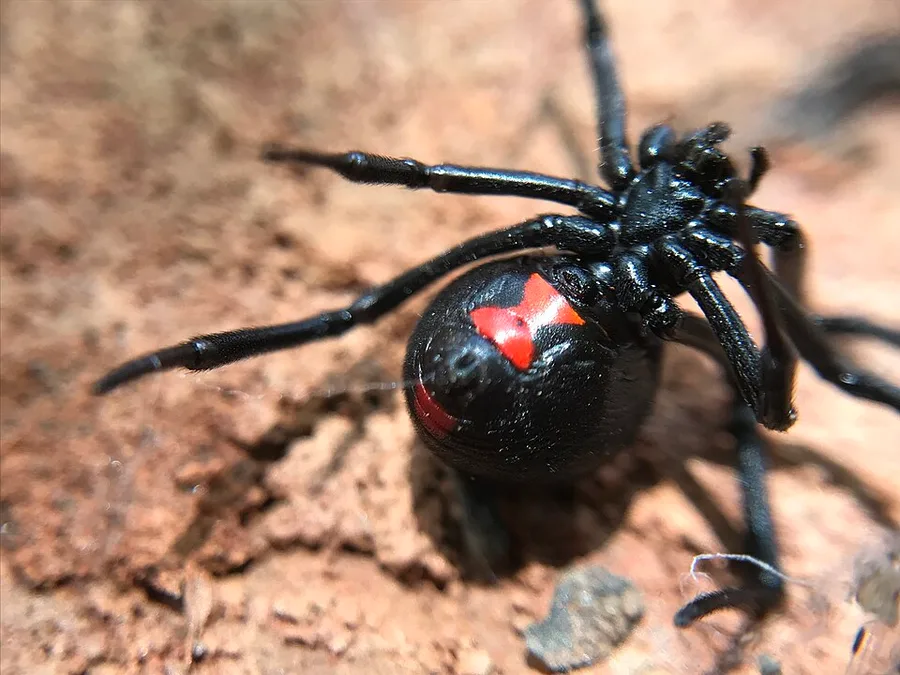
Female black widow spider. Photo: feroxara (iNaturalist), CC BY 4.0, via Wikimedia Commons.
Black widow spiders are recognizable by the red hourglass marking on their abdomen. Their venom affects the nervous system.
According to Cleveland Clinic, the red marking is on the underside of the abdomen, and a bite may leave small puncture marks. The pain can start at the bite and spread to the chest, the belly or the whole body. Black widows build webs in undisturbed places such as woodpiles, eaves, fences and outdoor toilets, and many bites happen when someone touches a web.
Symptoms
- Immediate sharp pain at the bite site
- Muscle cramps or spasms
- Abdominal or chest pain
- Nausea, sweating, or elevated blood pressure
Treatment
- Seek urgent medical care
- Pain management and muscle relaxants
- Antivenom may be considered in severe cases
Children, older adults, and individuals with chronic conditions are at higher risk for complications.
When to Seek Medical Attention
You should contact a healthcare provider if:
- Pain worsens or spreads
- An open wound, blister, or ulcer forms
- You experience fever, chills, or muscle cramps
- The bite does not improve within a few days
- You think the spider was a brown recluse or a black widow
- Redness, swelling or warmth spreads around the bite, or it drains pus
- A painful bump comes with a fever, or isn’t better within 48 hours
Prompt evaluation ensures proper diagnosis and prevents secondary infection or complications.
Get care right away for severe or quickly worsening pain, severe muscle cramps, belly or chest pain, vomiting, blood in the urine, or yellowing of the skin or eyes, and for any possible brown recluse or black widow bite in a child. Call 911 for trouble breathing, swelling of the face or throat, fainting or a seizure. For advice at any hour, call Poison Help at 1-800-222-1222. If you think it’s an emergency, call 911.
Prevention Tips
- Wear gloves when cleaning garages, sheds, or woodpiles
- Shake out shoes, clothing, and bedding before use
- Reduce clutter where spiders may hide
- Seal cracks and crevices in walls and foundations
- Store clothes, shoes and outdoor gear you don’t use often in tightly closed plastic bags
- Wear long sleeves, long pants and gloves when moving boxes, firewood, lumber or rocks
- Don’t reach into dark hiding spots, such as woodpiles, under logs or under porches, with bare hands
- Keep your tetanus shots up to date
Find a doctor
Most spider bites can be cared for at home. For a bite that’s getting worse, or one you think came from a brown recluse, see a doctor promptly. A family physician can check the wound and follow it as it heals. For any of the urgent signs above, go to the ER or call 911. Doctors on Best Docs Network who can check a spider bite include:
- Dr. Richard Honaker, family medicine, Dallas-Fort Worth
- Dr. Michael Dotti, family medicine, Dallas-Fort Worth
- Dr. Cody Mihills, family medicine, Dallas-Fort Worth
More videos on this topic: Skin Problems.
Frequently asked questions
What does a brown recluse bite look like?
At first it’s often a small red bump or white blister with a pale center, sometimes with a red or purplish ring around it. Most bites stay small and heal within about a week. In a minority, the center turns dark or black over the next few days and can become an open sore.
Are there brown recluse spiders in Texas?
Yes. Texas is within the brown recluse’s range, and MedlinePlus lists eastern Texas among the areas where it’s most common. Indoors, it hides in dark closets, attics, shoes, stored clothing and behind furniture.
How long does a brown recluse bite take to heal?
Most heal within about a week. A bite that forms an open sore can take weeks to months to heal and may leave a scar.
Should I go to the ER for a brown recluse bite?
See a doctor promptly for any suspected brown recluse bite. Go to the ER right away for severe or worsening pain, a sore that is spreading or turning dark, fever, chills, blood in the urine, or yellow skin or eyes, or if the person bitten is a child. Call 911 for trouble breathing.
Could my “spider bite” be a skin infection?
Yes, and it often is. Cleveland Clinic says MRSA skin infections are sometimes mistaken for spider bites, and a review in American Family Physician says doctors should consider other causes unless the spider was seen. A red, swollen, warm or painful bump, especially with pus or a fever, should be checked by a doctor.
Is there an antivenom for brown recluse bites?
No. Brown recluse antivenom is not available in the United States. Treatment focuses on wound care and watching for complications.
Sources
- Cleveland Clinic: Black Widow Spider Bite
- Cleveland Clinic: Brown Recluse Spider Bite
- Cleveland Clinic: Spider Bites
- Cleveland Clinic: MRSA (Methicillin-resistant Staphylococcus aureus)
- HealthyChildren.org (American Academy of Pediatrics): MRSA and Children: Parent FAQs
- familydoctor.org (American Academy of Family Physicians): What Should I do if I Get a Spider Bite?
- MedlinePlus (National Library of Medicine, NIH): Brown recluse spider
- MedlinePlus (National Library of Medicine, NIH): Insect bites and stings
- American Academy of Dermatology: Bug bites and stings: When to see a dermatologist
- American Family Physician (American Academy of Family Physicians): Arthropod Bites and Stings (2022)
- American Family Physician: Arthropod Bites (2013)
- American Family Physician: Evaluation and Treatment of Brown Recluse Spider Bites (2005)
Medical Disclaimer
This article is for educational purposes only and is not intended to replace professional medical advice, diagnosis, or treatment. Always consult your physician or qualified healthcare provider with any questions regarding a medical condition or suspected spider bite.




.jpg)
