

Months after bariatric surgery, the hard part is no longer what you’re allowed to eat. It’s eating well every day when you’re busy, tired or hungry. That’s when the drive-through, the snack drawer and all-day grazing creep back in.
Meal prep is the fix. If a high-protein meal is already cooked and portioned in the fridge, it’s the easy choice. This article gives you a weekend prep plan and five recipes. Four of them are adapted from the sample meals in Dr. Bagshahi’s patient guide.
These recipes are for later stages, when your team has cleared you for regular textures. In Dr. Bagshahi’s program, solid food starts at about day 35 and whole foods come back gradually after that, so these meals usually come well after the first solid-food weeks. Ask your team when you’re ready. If you’re earlier in your recovery, see Bariatric Soft Food Recipes or Bariatric Puréed Food Recipes instead.
This article is based on the nutrition guide that bariatric surgeon Dr. Hossein Bagshahi gives his patients at Bagshahi Bariatric and General Surgery in Fort Worth, together with the sources listed at the end. Your own team may set different portions and goals.
How eating looks from about six months
Dr. Bagshahi’s guide sets out a simple pattern for long-term eating:
- Three small high-protein meals and two high-protein snacks a day, one every 3 to 4 hours. That’s how you reach your protein goal with a small stomach.
- Small portions. His guide describes a meal as about ½ to 1 cup of food at one time. MedlinePlus says that even once the pouch has grown, it holds only about 1 cup of chewed food.
- No grazing. His guide warns against nibbling small amounts all day. A meal should be enough to fill you up and keep you full for 3 to 4 hours, then you stop. Guy’s and St Thomas’ NHS Foundation Trust gives the same warning about grazing.
- Use a small salad plate, not a dinner plate. Fill half with protein. Split the other half between low-starch vegetables and a small amount of a high-fiber carbohydrate, and add a little healthy fat. Guy’s and St Thomas’ and Hawaiʻi Pacific Health’s bariatric program use the same half-protein plate, and Cleveland Clinic’s guide also suggests a salad plate as your dinner plate.
- Eat in this order: protein first, vegetables and healthy fats second, and any starch last.
- Take your time. His guide suggests about 15 minutes for a snack and 20 to 30 minutes for a meal. Stop when you’re no longer hungry, at about 80% full.
- Protein goal: 60 to 80 grams a day after gastric sleeve or bypass, and 100 to 120 grams after duodenal switch. Other pages of his guide give higher targets, such as 75 to 100 grams long term, so follow the goal your team sets for you.
His guide puts intake at about 900 to 1,000 calories a day from six months on. Because portions are so small, it also expects most patients to need one or two protein shakes a day to reach their protein goal, and suggests keeping shakes and other high-protein snacks on hand at home, at work and on the go.
Keep drinking between meals, not with them. His guide asks you to stop drinking 30 minutes before a meal and wait 30 minutes after.
The two-hour weekend prep plan
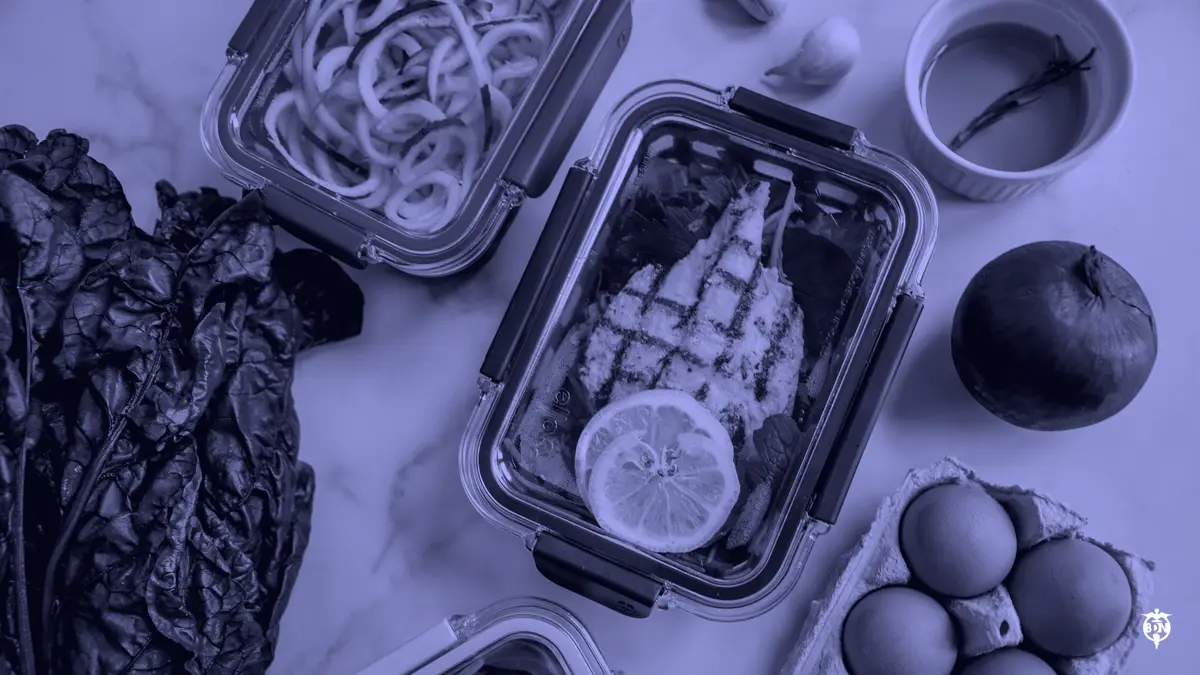
Pick one afternoon. With the oven and stovetop working at the same time, you can cook most of the week’s protein in about two hours:
- Oven on first. Heat it to 400°F. Mix and shape the meatballs (recipe 2) and bake them.
- Start the soup. While the meatballs bake, get the chicken and zucchini soup simmering (recipe 1).
- Marinate the chicken for the Greek chicken (recipe 5). It can bake after the meatballs.
- Make the tzatziki and cook the green beans while things bake.
- Cool, portion and label. Let food cool a little, divide it into small containers and get it into the fridge within 2 hours. Write the name and date on each one.
Cook the shrimp, squash and salmon on weeknights. The shrimp and salmon take 15 minutes or less, and the squash roasts on its own while you do something else.
Containers that match your plate help. Small containers that hold about 1 cup make it easy to pack a meal without overfilling it. The bariatric clinic at Toronto’s University Health Network suggests the same thing: cook a large pot of chili and portion it into 1-cup containers.
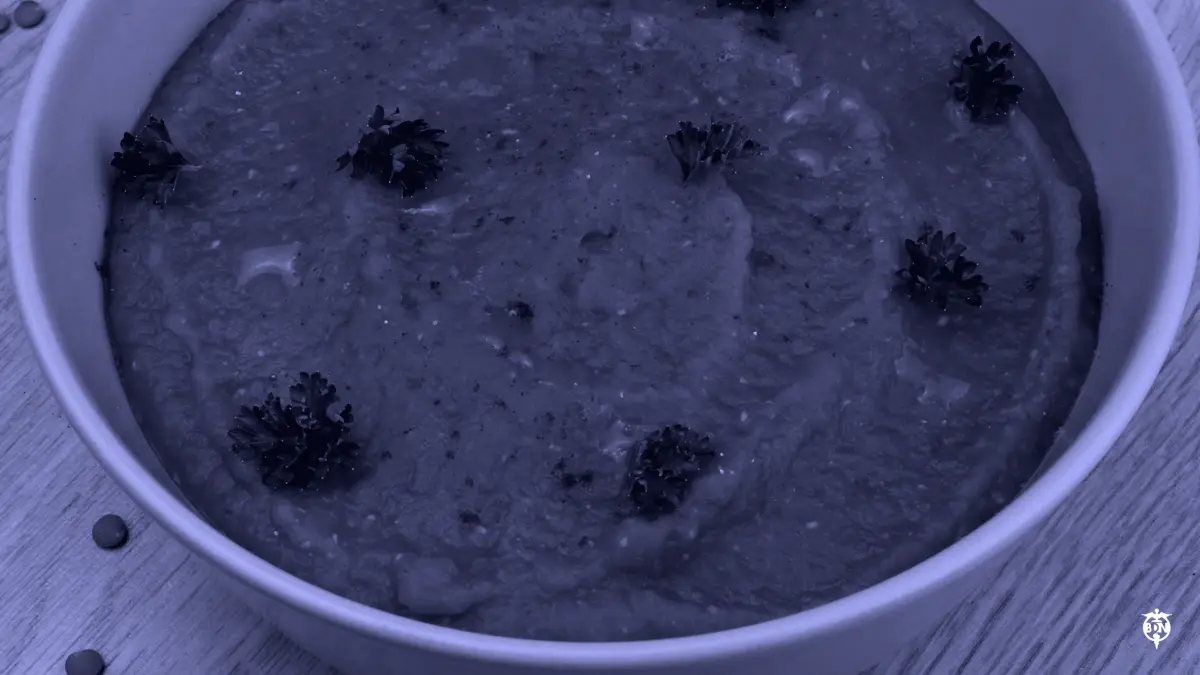
Recipe 1: Chicken and zucchini soup
Adapted from Dr. Bagshahi’s guide. His version calls for chicken breast, zucchini, carrots, celery, low-sodium broth, oregano and thyme. We poach the chicken in the broth so it stays tender, and dice the vegetables small.
Makes about 10 cups (10 servings of 1 cup)
- 1 tablespoon olive oil
- 4 medium carrots, diced small
- 4 celery stalks, diced very small (see the tip)
- 4 cups low-sodium chicken broth, plus 2 cups water
- 1 pound boneless, skinless chicken breast, cut into ½-inch pieces
- 3 medium zucchini, chopped
- 1 tablespoon dried oregano, ½ teaspoon dried thyme and ½ teaspoon salt
- Heat the oil in a large pot over medium heat. Cook the carrots and celery for about 8 minutes, until tender.
- Add the broth, water and seasonings, and bring to a boil.
- Add the chicken, lower the heat and simmer for about 10 minutes, until the chicken reaches 165°F.
- Stir in the zucchini and simmer for about 5 minutes more, until soft.
Per serving (1 cup): about 13 grams of protein and 105 calories.
Tip: Dr. Bagshahi’s guide lists celery as a fibrous vegetable to avoid in the first solid-food stage. Dice it very small, or leave it out until it agrees with you. Eat the chicken first, then the vegetables, and leave the broth if you’re full.
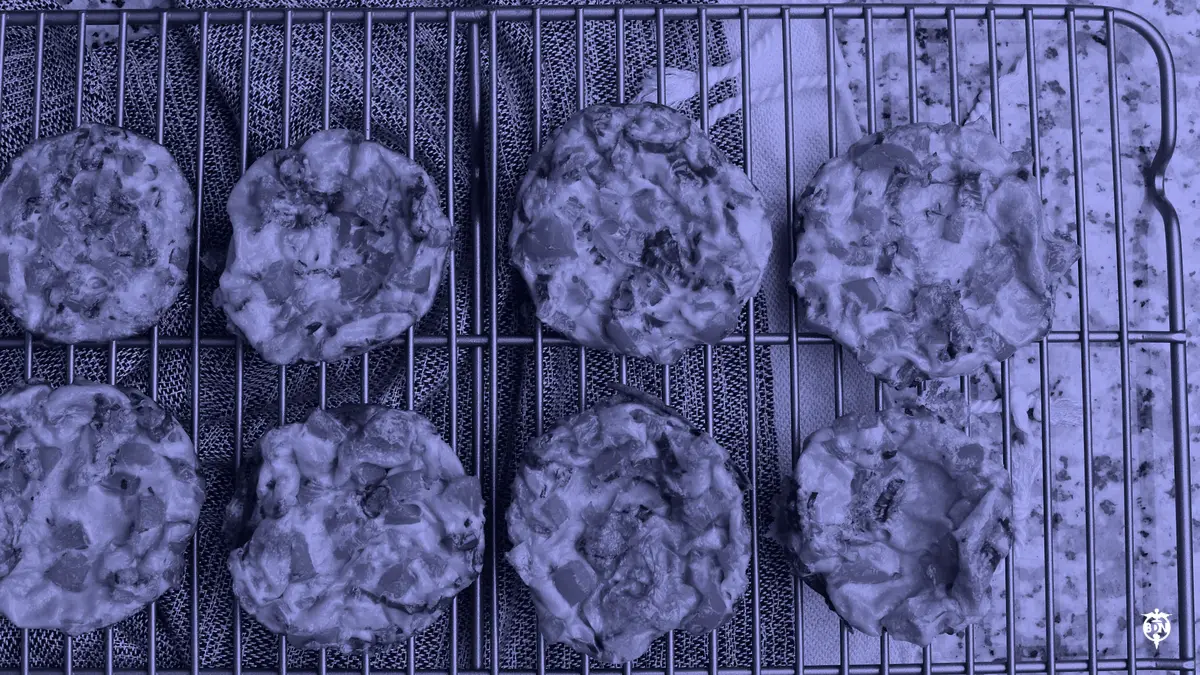
Recipe 2: Herbed turkey meatballs with green beans
Adapted from Dr. Bagshahi’s guide. His meatballs use milled chia or flaxseed instead of breadcrumbs, which adds fiber and healthy fat.
Makes about 16 meatballs (4 family servings)
- 1 pound 93% lean ground turkey
- 1 egg
- ½ cup milled flaxseed or milled chia seeds
- 2 teaspoons dried oregano, divided
- 1 teaspoon ground cumin, 1 teaspoon black pepper and a pinch of salt
- 4 cups green beans, trimmed
- 1 tablespoon olive oil
- Heat the broiler or the oven to 400°F. Line a baking sheet with foil.
- Mix the turkey, egg, flaxseed, 1 teaspoon of oregano, the cumin, pepper and salt.
- Roll into 1½-inch balls and place them on the sheet. Broil for 6 to 10 minutes, or bake for about 15 minutes, until they reach 165°F inside.
- Meanwhile, steam the green beans until tender, about 6 to 8 minutes. Toss with the olive oil, the rest of the oregano, and pepper.
Your portion: 3 meatballs and about ¼ cup of green beans give about 20 grams of protein and 215 calories.
Tip: Cook the green beans until they’re tender, not crisp. Firm, stringy vegetables are harder to chew to a smooth texture.
Recipe 3: Lemon shrimp with spaghetti squash
Adapted from Dr. Bagshahi’s guide. Spaghetti squash pulls apart into strands that stand in for pasta, which his guide lists among the foods most patients can’t tolerate at first. UW Medicine’s weight-loss surgery center also suggests spaghetti squash or zucchini noodles in place of flour-based noodles.
Makes 4 family servings
- 1 medium spaghetti squash, halved lengthwise and seeded
- 1 pound raw shrimp, peeled and deveined
- 1½ tablespoons olive oil, divided
- 1 tablespoon lemon juice
- Salt and black pepper to taste
- Heat the oven to 400°F. Season the squash with salt and pepper, and place it cut side down in a baking dish with ½ cup of water.
- Roast for 30 to 40 minutes, until a fork slides in easily. Let it cool slightly, then scrape the flesh into strands with a fork.
- Toss the shrimp with 1 tablespoon of oil and pepper. Spread on a baking sheet and roast for about 6 to 8 minutes, until the flesh is pearly or white and opaque all the way through, as FoodSafety.gov describes.
- Toss the squash and shrimp with the lemon juice and the rest of the oil. Season to taste.
Your portion: 3 ounces of shrimp and ½ cup of squash give about 21 grams of protein and 150 calories.
Tip: Shrimp turns rubbery and hard to chew when overcooked. Pull it from the oven as soon as it’s opaque. Leftover shrimp and squash make the next day’s lunch.
Recipe 4: Baked salmon with garlic spinach
Adapted from Dr. Bagshahi’s guide. His guide notes that salmon is high in omega-3 fats. We added garlic to the spinach, an oven temperature and a safe internal temperature.
Makes 4 servings
- 4 wild salmon fillets, about 4 ounces each (his guide calls for wild-caught)
- 1 tablespoon olive oil, divided
- 1 teaspoon dried thyme, ½ teaspoon black pepper and a pinch of salt
- 1 clove garlic, minced
- 10 ounces fresh baby spinach (about 8 cups loosely packed)
- Heat the oven to 400°F. Place the salmon skin side down in a baking dish, brush with half the oil and season.
- Bake for about 12 to 15 minutes, until it flakes easily and reaches 145°F in the thickest part.
- Meanwhile, warm the rest of the oil in a large pan. Add the garlic, then the spinach, and stir until fully wilted, 2 to 3 minutes.
Your portion: one fillet (about 3 ounces once cooked) and ¼ cup of cooked spinach give about 24 grams of protein and 200 calories.
Tip: Leftover salmon flakes easily into scrambled eggs or a salad the next day. His guide suggests the same. If you use farmed Atlantic salmon, expect more fat and calories: USDA lists about 208 calories per 100 grams raw, against 142 for wild.
Recipe 5: Greek chicken with tzatziki
A batch of lean chicken you can use all week: on a plate with vegetables, in a lettuce wrap or flaked over a salad. UCLA Health suggests lettuce wraps as an easy way to replace bread. The tzatziki uses Greek yogurt in place of sour cream or mayonnaise, a swap UW Medicine recommends.
Makes 6 family servings
For the chicken:
- 1½ pounds boneless, skinless chicken breast
- 2 tablespoons olive oil
- Juice of 1 lemon
- 2 cloves garlic, minced
- 2 teaspoons dried oregano, plus salt and pepper
For the tzatziki:
- 1 cup plain nonfat Greek yogurt
- ½ cucumber, peeled, seeded and finely grated, then squeezed dry
- 1 teaspoon lemon juice
- 1 teaspoon dried dill and a pinch of garlic powder and salt
- Pound the chicken to an even ½-inch thickness so it cooks evenly and doesn’t dry out.
- Mix the oil, lemon juice, garlic and seasonings, and coat the chicken. Marinate in the fridge for 30 minutes to a few hours.
- Heat the oven to 400°F. Bake the chicken on a lined sheet for about 15 to 20 minutes, until it reaches 165°F.
- Rest it for 5 minutes, then slice it thinly against the grain.
- Stir the tzatziki ingredients together.
Your portion: 3 ounces of cooked chicken with 2 tablespoons of tzatziki give about 29 grams of protein and 195 calories.
Tip: Dr. Bagshahi’s guide lists grilled chicken breast as a tough meat to avoid early on, and ASMBS warns against dry chicken breast. Pounding it thin, marinating it, slicing it thinly and serving it with a creamy sauce all make it easier to eat.
Prep your snacks too
Your two daily snacks should be high in protein, too. Ideas from Dr. Bagshahi’s guide include:
- Low-fat string cheese
- Greek yogurt with no added sugar
- Low-fat cottage cheese
- Lean deli turkey, chicken or ham (his guide suggests choosing ones with less than 3% fat)
- Tuna or egg salad
- A protein shake
Portion them into small containers on prep day, so a snack is as easy to grab as a bag of chips.
How long it keeps
USDA’s Food Safety and Inspection Service (FSIS) advises refrigerating cooked food within 2 hours, eating refrigerated leftovers within 3 to 4 days, and reheating them to 165°F. Frozen leftovers stay safe, but keep their best quality for about 3 to 4 months.
| Recipe | Fridge | Freezer |
|---|---|---|
| Chicken and zucchini soup | 3 to 4 days | Yes, in 1-cup portions |
| Turkey meatballs | 3 to 4 days | Yes |
| Greek chicken | 3 to 4 days | Yes (keep the tzatziki in the fridge) |
| Roasted spaghetti squash | 3 to 4 days | Yes |
| Shrimp and salmon | 3 to 4 days | Yes, but they cook in minutes, so cook them fresh |
So a good rhythm is to cook on Sunday and eat the soup, meatballs and chicken through Wednesday, then freeze anything that won’t be eaten by then. Cook the fish and shrimp fresh later in the week.
Reheating tip: meat dries out in the fridge. Kaiser Permanente’s bariatric plan suggests adding a little water or broth before microwaving. FSIS advises covering leftovers and checking the temperature in several places, because microwaves heat unevenly.
A sample week
| Day | Lunch | Dinner |
|---|---|---|
| Monday | Chicken and zucchini soup | Turkey meatballs with green beans |
| Tuesday | Greek chicken with tzatziki | Chicken and zucchini soup |
| Wednesday | Turkey meatballs with green beans | Greek chicken with tzatziki |
| Thursday | Soup from the freezer | Lemon shrimp with spaghetti squash |
| Friday | Leftover shrimp and squash | Baked salmon with garlic spinach |
Breakfast can be eggs, Greek yogurt or a protein shake, and snacks come from your snack containers.
Cooking for a family
These are ordinary family meals, not diet food. Many family meals can be adapted for you, with a smaller portion and the protein served first. Kaiser Permanente’s plan puts it this way: you can often eat some of the same foods, in different portions and prepared differently. Family members can add a side of rice, potatoes or bread, while your plate stays small and protein-first.
It also helps to serve your plate in the kitchen instead of putting serving dishes on the table. That makes it easier to stop when you’re full.
Questions to ask your bariatric team
- Am I ready for regular textures, and which foods should I still avoid?
- How big should my meals be now?
- What’s my daily protein goal at this point?
- How many calories should I aim for?
- Should I still be drinking protein shakes?
More on eating after surgery
- Bariatric Soft Food Recipes: 5 Tender, High-Protein Meals for the Soft Food Stage
- Bariatric Puréed Food Recipes: 6 High-Protein Ideas for the Puréed Stage
- Protein After Bariatric Surgery: How Much You Need and How to Get It
- Vitamins and Minerals After Bariatric Surgery
- Bariatric Surgery Diet: What to Eat Before and After
Dr. Bagshahi is a bariatric surgeon in Fort Worth, Texas. See Dr. Bagshahi’s Best Docs Network profile for more about his practice.
How we calculated the nutrition
Protein and calories per portion are our estimates. We added up USDA FoodData Central values for each ingredient and worked out the share in one bariatric portion, then rounded. They’re lower than the figures in Dr. Bagshahi’s guide because his recipes describe larger, full-size servings. Herbs, spices, garlic and lemon juice were left out because they add almost nothing. Brands vary, so check your labels.
Sources
- Dr. Hossein Bagshahi, Bagshahi Bariatric and General Surgery: Bariatric Surgery Nutrition Guide (patient handbook, 2025)
- U.S. Department of Agriculture, Agricultural Research Service: FoodData Central
- MedlinePlus (U.S. National Library of Medicine): Your diet after gastric bypass surgery
- Guy’s and St Thomas’ NHS Foundation Trust: Diet after weight loss surgery: Moving to a regular diet
- Hawaiʻi Pacific Health: Bariatrics: Diet
- Cleveland Clinic: Stronger Every Step: Your Metabolic and Bariatric Surgery Guide
- University Health Network (Toronto), Bariatric Clinic: Bariatric Surgery Nutrition Guidelines
- UW Medicine Center for Weight Loss and Metabolic Surgery: Replacing High-Sugar and High-Fat Foods
- UCLA Health: Roast Turkey Lettuce Wraps
- American Society for Metabolic and Bariatric Surgery: Bariatric Surgery: Postoperative Concerns
- Kaiser Permanente Washington: Bariatric Nutrition & Lifestyle Plan
- FoodSafety.gov: Cook to a Safe Minimum Internal Temperature
- USDA Food Safety and Inspection Service: Safe Minimum Internal Temperature Chart
- USDA Food Safety and Inspection Service: Leftovers and Food Safety
This article is for general information only and is not medical advice. Talk with a qualified health professional about your own situation. If you think you may have a medical emergency, call 911.