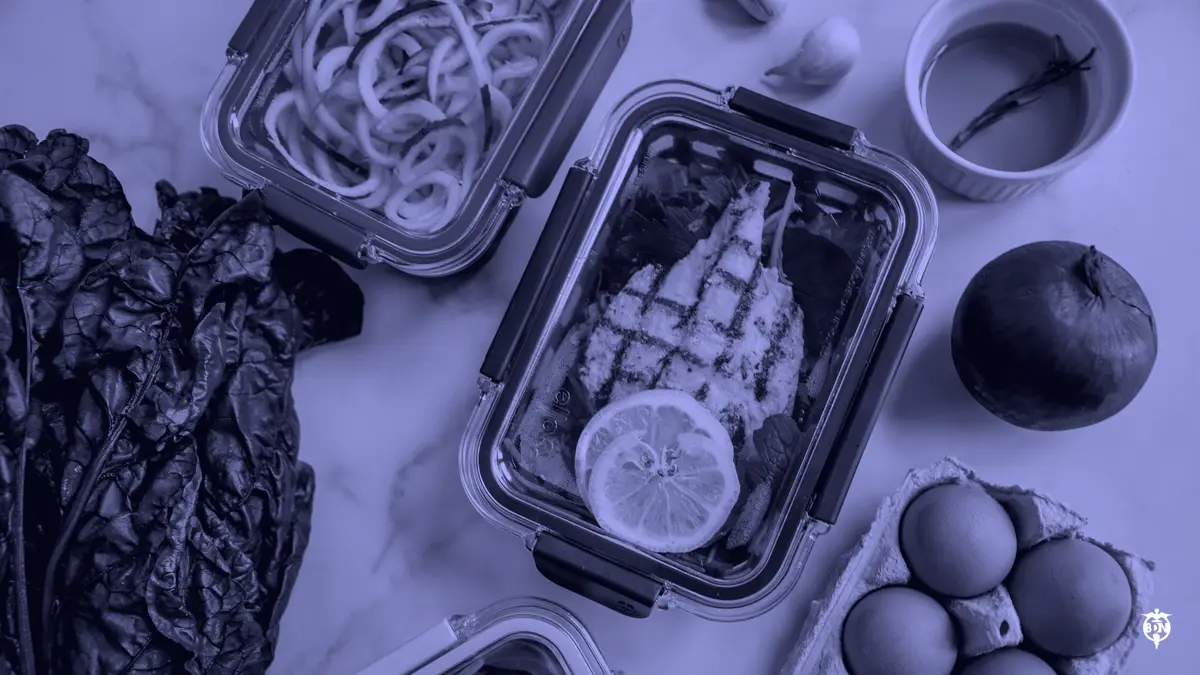


The move to solid food is the stage bariatric patients look forward to most, and the one that takes the most care. After weeks of liquids and purées, real food comes back, but not all of it at once. Tender, moist food goes down well. Dry meat, bread and tough vegetables often don’t.
These five recipes are built for that stage. Each is soft enough to chew to a smooth texture, high in protein, and easy to make in a batch.
Check with your bariatric team before moving to solid food, and call your surgeon’s office if food keeps getting stuck, you vomit repeatedly, or you have pain when you eat. Call 911 for chest pain, trouble breathing or vomiting blood.
The stage rules in this article come from the nutrition guide that bariatric surgeon Dr. Hossein Bagshahi gives his patients at Bagshahi Bariatric and General Surgery in Fort Worth. The recipes were written to fit those rules. Your own program may time things differently, so follow your surgeon and dietitian.
The soft-food rules these recipes follow
In Dr. Bagshahi’s program, solid food starts at about day 35, and whole foods come back gradually from about week 6. His guide calls this stage trial and error.
How to eat:
- Take small bites. His guide suggests using a baby fork or spoon.
- Chew each bite to an applesauce texture, about 20 to 30 times.
- Pause about 30 seconds between swallowed bites.
- Eat protein first, then a vegetable or fruit. Eat a starch last, only if you still have room.
- Stop drinking 30 minutes before meals, and wait 30 minutes after.
- Keep drinking protein shakes to reach about 75 grams of protein a day (100 to 120 grams after duodenal switch or SADI-S).
What works well, according to his guide: lean ground meat, fish and poultry; egg whites or egg substitutes; chicken breast and tuna canned in water; low-fat cottage cheese and ricotta; reduced-fat cheese; cooked beans and lentils; and soft-cooked vegetables. Mayo Clinic’s soft-food list is similar, and UCSF Health notes that ground meats are usually easier to tolerate.
What to avoid for now: bread and pasta (his guide lists rice too, and MedlinePlus and UCSF Health say rice is often poorly tolerated at first); steak and other tough or dry meats, including grilled chicken breast; fried food, bacon and sausage; nuts; raw vegetables; fibrous vegetables such as celery and asparagus; foods with tough skins, such as peas and corn; and hot sauce or strong spices.
His guide puts intake at about 600 to 800 calories a day in this stage. Remember the rule of 7: 1 ounce of meat, fish or poultry has about 7 grams of protein.
The secret to soft food: don’t overcook it
A common reason meat goes down badly is that it’s dry. Lean meat and fish dry out quickly once they pass the temperature at which they’re safe.
Use a meat thermometer. Cook to the safe temperature from USDA’s Food Safety and Inspection Service (FSIS), then take the food off the heat:
| Food | Safe internal temperature |
|---|---|
| Fish | 145°F |
| Ground beef | 160°F |
| Egg dishes such as frittata or quiche | 160°F |
| Chicken and turkey, including ground | 165°F |
| Casseroles | 165°F |
| Leftovers, reheated | 165°F |
Cook with moisture. His guide recommends low-fat cooking methods such as baking, broiling, a slow cooker or a pressure cooker. Cleveland Clinic’s bariatric guide also recommends moist methods such as poaching, stewing and braising. MedlinePlus notes that a low-fat sauce or broth makes meat easier to digest, and Kaiser Permanente’s plan suggests a slow cooker to keep meat moist.
Add a moist ingredient. Ricotta in meatballs, cottage cheese in eggs and broth in sauce all keep food soft.
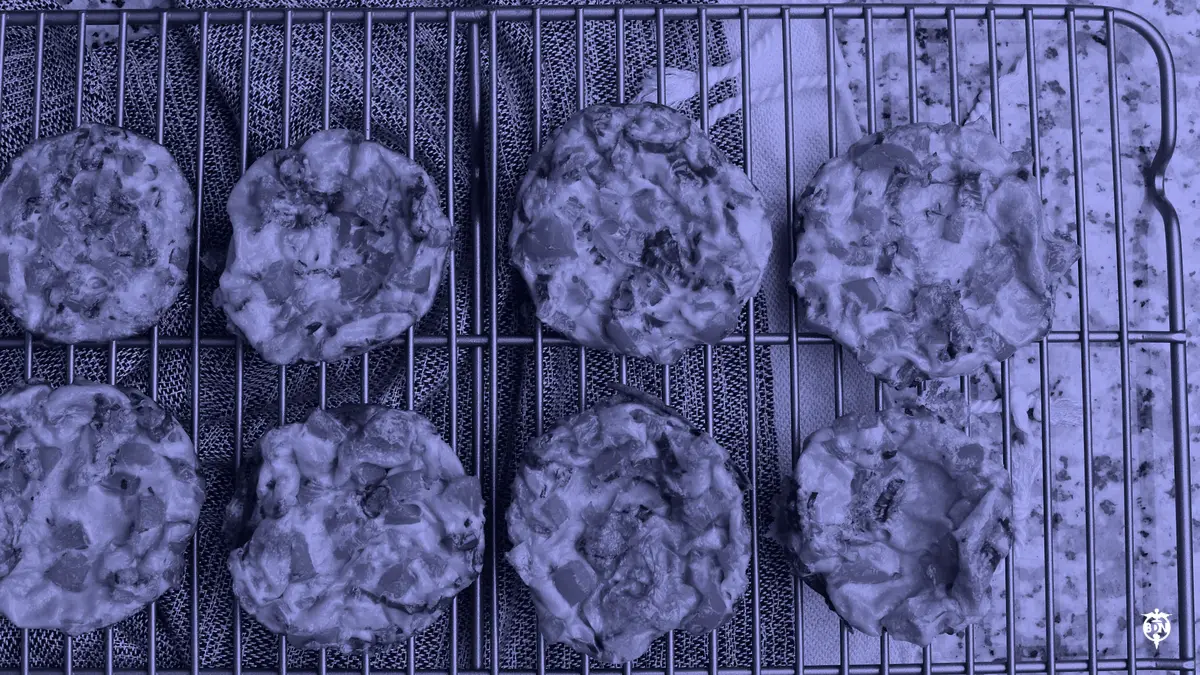
Recipe 1: Egg-white and cottage cheese bites
Dr. Bagshahi’s guide lists egg whites or egg substitutes for this stage. Blending them with cottage cheese makes them soft and custardy instead of rubbery. Cleveland Clinic’s bariatric guide includes a similar cottage cheese egg bite.
Makes 12 bites (6 servings of 2 bites)
- 1½ cups liquid egg whites (about 12 large egg whites)
- ½ cup low-fat (1%) cottage cheese
- ¼ cup shredded reduced-fat cheddar
- ½ cup cooked chopped spinach, squeezed dry and chopped very fine (optional)
- Pinch of salt, black pepper and garlic powder
- Fat-free cooking spray
- Heat the oven to 350°F. Spray a 12-cup muffin tin well.
- Blend the egg whites, cottage cheese and seasonings until smooth.
- Divide the spinach and cheese among the cups, then pour in the egg mixture.
- Bake for about 18 to 22 minutes, until set in the center and 160°F inside.
- Let them cool for 5 minutes before removing them from the pan.
Per serving (2 bites): about 11 grams of protein and 70 calories.
Tip: Leave out the spinach until you know you tolerate soft-cooked vegetables. These freeze well. Reheat a couple in the microwave for a fast breakfast.
Recipe 2: Lemon-herb baked cod
White fish such as cod is moist and flaky, which makes it one of the easiest proteins to eat in this stage.
Makes about six 2-ounce cooked portions
- 1 pound cod fillets
- 1 tablespoon olive oil
- Juice of half a lemon, plus lemon slices
- ½ teaspoon garlic powder
- ½ teaspoon dried parsley or dill
- ¼ teaspoon sweet (not hot) paprika
- Pinch of salt
- Heat the oven to 400°F. Line a baking dish with foil or parchment.
- Brush the fish with olive oil and lemon juice, and sprinkle with the seasonings. Top with lemon slices.
- Cover loosely with foil to hold in moisture.
- Bake for about 10 to 15 minutes, until the fish flakes easily with a fork and reaches 145°F.
Per 2-ounce cooked serving: about 13 grams of protein and 80 calories.
Tip: Check the fish at 10 minutes. Thin fillets cook fast, and overcooked fish is dry. Pick out any bones before eating.
Recipe 3: Tender turkey and ricotta meatballs in marinara
Ricotta is the trick that keeps lean turkey meatballs soft. They’re simmered in sauce, so they stay moist when reheated, too.
Makes about 24 small meatballs (8 servings of 3 meatballs)
- 1 pound 93% lean ground turkey
- ¼ cup part-skim ricotta cheese
- ¼ cup shredded part-skim mozzarella
- 1 egg white
- 1 teaspoon dried Italian seasoning
- ½ teaspoon garlic powder
- Pinch of salt
- 1 cup smooth marinara sauce with no added sugar
- Heat the oven to 400°F. Line a baking sheet with parchment.
- Mix the turkey, ricotta, mozzarella, egg white and seasonings gently with your hands. Don’t overwork the meat.
- Roll into 1-inch balls and place them on the sheet.
- Bake for about 15 minutes, until they reach 165°F inside.
- Warm the marinara in a pan, add the meatballs and simmer for 5 minutes.
Per serving (3 meatballs with 2 tablespoons of sauce): about 13 grams of protein and 120 calories.
Tip: Cut each meatball into small pieces before you eat. Skip the pasta. His guide lists pasta among the foods most patients can’t tolerate at first.
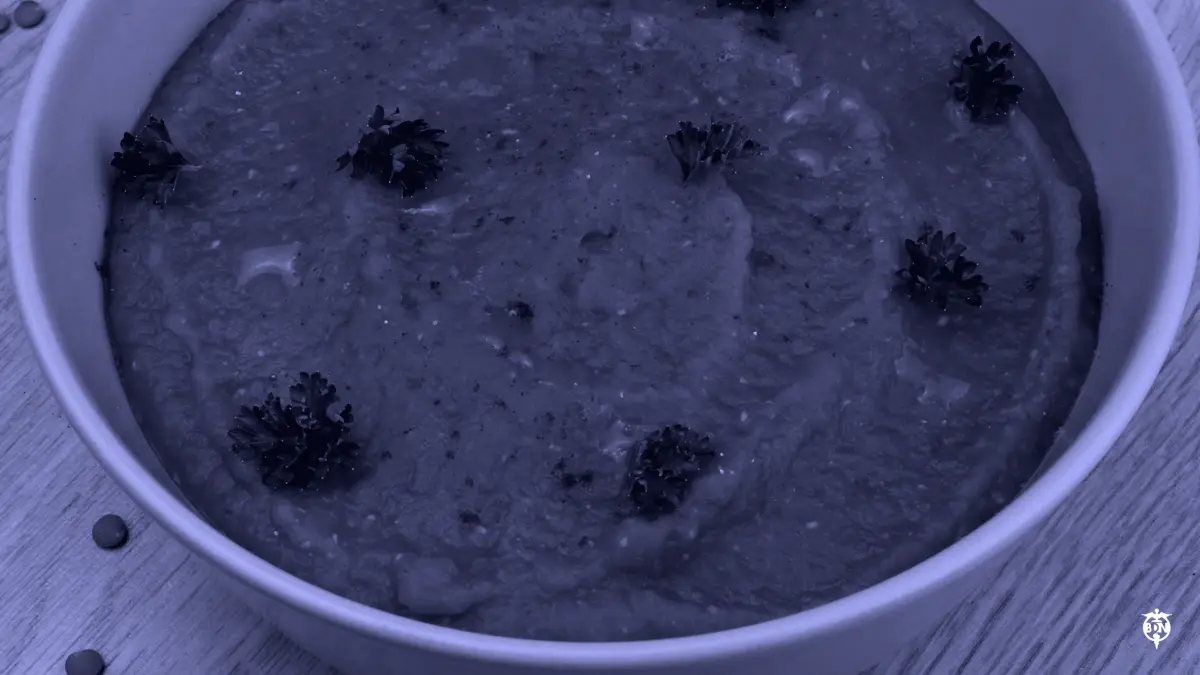
Recipe 4: Red lentil and chicken soup
Red lentils cook down until they’re soft and almost creamy, with no tough skins. Dr. Bagshahi’s guide allows cooked beans and lentils in this stage. His sample day also includes ½ cup of low-fat soup as a meal.
Makes about 6 cups (12 servings of ½ cup)
- 1 tablespoon olive oil
- ½ cup finely diced onion
- 1 cup finely diced carrots
- 1 cup dry red lentils, rinsed
- 4 cups low-sodium chicken broth
- ½ teaspoon ground cumin
- ¼ teaspoon ground turmeric
- 1 cup chopped cooked chicken breast
- A squeeze of lemon juice
- Heat the oil in a pot over medium heat. Cook the onion and carrots for about 5 minutes, until soft.
- Add the lentils, broth and spices. Bring to a boil, then simmer for 20 to 25 minutes, until the lentils fall apart and the carrots are very tender.
- For a smoother soup, blend half of it and stir it back in.
- Stir in the chicken and heat through. Add lemon juice to taste.
Per serving (½ cup): about 9 grams of protein and 105 calories.
Tip: Eat it thick, as a meal, not as a drink. It thickens more as it cools.
Ask about soup first. Programs treat soup differently. Dr. Bagshahi’s sample day includes soup as a meal, but Cleveland Clinic’s guide avoids soups in its soft-food stage. Ask your dietitian whether a thick soup counts as a meal or as fluid for you.
Recipe 5: Cottage pie with cauliflower mash
A lighter version of the comfort-food classic. The filling uses 90% lean ground beef, which is on Dr. Bagshahi’s list, and the topping is mashed cauliflower instead of potato.
Makes about 5 cups (10 servings of ½ cup)
For the filling:
- 1 pound 90% lean ground beef
- ½ cup finely diced onion
- 1 cup finely diced carrots
- 2 tablespoons tomato paste
- ½ cup low-sodium beef or chicken broth
- ½ teaspoon dried thyme
- Pinch of salt and black pepper
For the topping:
- 4 cups cauliflower florets
- ¼ cup plain nonfat Greek yogurt
- ¼ cup shredded reduced-fat cheddar
- Boil or steam the cauliflower for about 12 to 15 minutes, until very soft. Drain well, then mash or blend with the yogurt and cheese until smooth.
- Brown the beef in a skillet over medium heat, breaking it into small crumbles, until it reaches 160°F. Drain off the fat.
- Add the onion and carrots and cook until soft, about 8 minutes. Stir in the tomato paste, broth and thyme. Simmer for 5 minutes, until it’s thick and saucy but not dry.
- Heat the oven to 375°F. Spread the filling in an 8-inch baking dish and top with the cauliflower mash.
- Bake for about 20 minutes, until lightly golden and 165°F in the center.
Per serving (½ cup): about 12 grams of protein and 115 calories.
Tip: His guide allows reduced-fat cheese in this stage, which is why the recipe uses it instead of Parmesan. It also says no gravy. The sauce here is just tomato paste and broth, with no flour, butter or added fat.
A soft-food day: the protein math
Here’s how the recipes add up over a day, along the lines of the sample schedule in Dr. Bagshahi’s guide:
| Meal | Food | Protein |
|---|---|---|
| Breakfast | Egg-white and cottage cheese bites (2) | about 11 g |
| Mid-morning | Protein shake | check the label |
| Lunch | Red lentil and chicken soup (½ cup) | about 9 g |
| Afternoon | Low-fat cottage cheese (¼ cup) | about 7 g |
| Dinner | Baked cod (2 oz) with 2 tablespoons of soft carrots | about 13 g |
| Evening | Protein shake or skim milk | check the label |
That’s about 40 grams of protein from food before shakes. Most patients still need one or two shakes a day to reach their goal.
Storing and reheating
These recipes are made to be cooked once and eaten through the week. FSIS advises:
- Refrigerate cooked food within 2 hours, or within 1 hour if it’s above 90°F.
- Eat refrigerated leftovers within 3 to 4 days.
- Frozen leftovers are safe indefinitely, but keep their best quality for about 3 to 4 months.
- Reheat leftovers to 165°F.
The meatballs in sauce, lentil soup, cottage pie and egg-white bites all freeze well in single portions. The cod is best eaten fresh, within a day or two.
Reheat gently. Meat dries out in the fridge, so Kaiser Permanente’s plan suggests adding a little water or broth before microwaving. FSIS advises covering leftovers to reheat them, and checking the temperature in several places, because microwaves heat unevenly.
If a food doesn’t agree with you
Dr. Bagshahi’s guide says a food that causes trouble now isn’t off the list forever. Set it aside and try it again in a few weeks or months. Add only one new food at a time, so you can tell what caused a problem.
If food makes you feel sick or comes back up, Dr. Bagshahi’s guide names the usual causes: eating too fast, eating too much, not chewing well enough and drinking with meals. Slow down and take smaller bites before you blame the food. If it keeps happening, call your surgeon’s office. See Stomach Problems After Bariatric Surgery for more.
Questions to ask your bariatric team
- When can I start solid food, and which foods first?
- How big should my meals be in this stage?
- When can I add whole eggs and other cheeses?
- How many protein shakes should I still be drinking?
- What should I do if food gets stuck?
More on eating after surgery
- Bariatric Puréed Food Recipes: 6 High-Protein Ideas for the Puréed Stage
- Bariatric Meal Prep: High-Protein Recipes for Life After Surgery
- Diet Stages After Bariatric Surgery: What to Eat, Week by Week
- Protein After Bariatric Surgery: How Much You Need and How to Get It
- Nausea, Dumping Syndrome and Other Stomach Problems After Bariatric Surgery
Dr. Bagshahi is a bariatric surgeon in Fort Worth, Texas. See Dr. Bagshahi’s Best Docs Network profile for more about his practice.
How we calculated the nutrition
Protein and calories per serving are our estimates. We added up USDA FoodData Central values for each ingredient and divided by the number of servings, then rounded. The cod is calculated from USDA’s values for cooked Atlantic cod. Herbs, spices and lemon juice were left out because they add almost nothing. Brands vary, so check your labels.
Sources
- Dr. Hossein Bagshahi, Bagshahi Bariatric and General Surgery: Bariatric Surgery Nutrition Guide (patient handbook, 2025)
- U.S. Department of Agriculture, Agricultural Research Service: FoodData Central
- Mayo Clinic: Gastric bypass diet: What to eat after the surgery
- MedlinePlus (U.S. National Library of Medicine): Your diet after gastric bypass surgery
- UCSF Health: Dietary Guidelines After Bariatric Surgery
- Cleveland Clinic: Stronger Every Step: Your Metabolic and Bariatric Surgery Guide
- Kaiser Permanente Washington: Bariatric Nutrition & Lifestyle Plan
- FoodSafety.gov: Cook to a Safe Minimum Internal Temperature
- USDA Food Safety and Inspection Service: Safe Minimum Internal Temperature Chart
- USDA Food Safety and Inspection Service: Leftovers and Food Safety
This article is for general information only and is not medical advice. Talk with a qualified health professional about your own situation. If you think you may have a medical emergency, call 911.